Top Ad 728x90

Friday, September 25, 2026

Doctor Lifted His Pant Leg

by

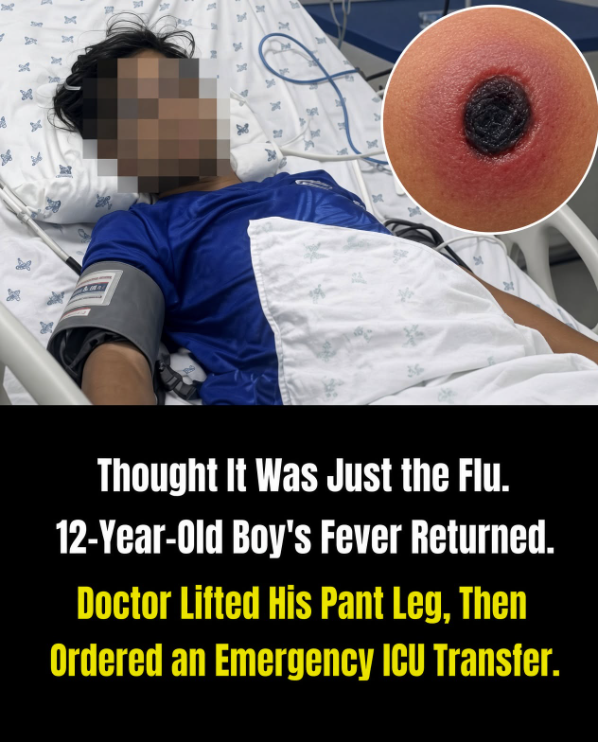
What seemed like an ordinary case of influenza nearly turned into a tragedy for a 12-year-old boy whose life was saved thanks to a doctor’s quick thinking and attention to an unusual symptom.

The case, shared by Taiwanese pediatrician Dr. Luo Shixuan, serves as a reminder that not every recurring fever is “just the flu.”

The boy had recently recovered from a cold and his fever had subsided. However, not long afterward, the fever suddenly returned and became severe again.

Because influenza was circulating widely at the time, the symptoms initially appeared consistent with a typical flu infection. But during the examination, Dr. Luo noticed something that concerned him.

The child seemed unusually weak and exhausted.

Rather than immediately assuming it was influenza, the doctor asked the boy’s mother whether he had complained about any other symptoms.

That’s when she remembered that her son had mentioned pain in one of his legs earlier that morning.

Dr. Luo asked the boy to roll up his pant leg.

What he saw immediately raised alarm bells.

The boy’s shin was swollen, red, and extremely tender to the touch. The appearance suggested that something much more serious than influenza might be developing beneath the surface.

Several dangerous conditions came to the doctor’s mind, including severe soft-tissue infection and other life-threatening bacterial illnesses.

Without waiting for flu testing, he made a decision.

He urgently instructed the family to go directly to the emergency department of a major hospital.

Upon arrival at the hospital, doctors discovered that the boy’s blood pressure had dropped to a critically low level.

He was immediately treated with powerful antibiotics and admitted to the intensive care unit (ICU).

The child remained in intensive care for three days as doctors worked to stabilize his condition.

Fortunately, treatment was started in time, and he eventually recovered.

Emergency physicians later believed the boy’s condition was consistent with Toxic Shock Syndrome (TSS), a rare but potentially deadly complication caused by bacterial toxins entering the bloodstream.

The condition can progress rapidly and may lead to:

Without prompt treatment, the consequences can be fatal.

Reflecting on the case, Dr. Luo emphasized that medicine is not only about laboratory tests and technology.

Sometimes, experience, careful observation, and asking one extra question can reveal a life-threatening condition that might otherwise be missed.

Had the boy simply been diagnosed with influenza and sent home, the outcome could have been very different.

A recurring fever should never be ignored, especially when accompanied by unusual symptoms such as severe leg pain, swelling, redness, extreme fatigue, or signs that a child appears much sicker than expected.

In this case, a simple examination of a painful leg helped uncover a potentially deadly infection and may have saved a young boy’s life.

This image knows your personality—what

by

Have you ever wondered why two people can look at the same image and see two completely different things? This isn’t just a trick of the light; it’s a deep dive into the psychology of perception. Our brains are wired to prioritize information based on our current emotional state, past experiences, and core personality traits.

When you look at a complex optical illusion like this one—composed of a lion, birds, fish, a snake, and even an eagle—your subconscious mind “picks” the animal that resonates most with your internal frequency. This phenomenon is often linked to the Rorschach effect, where ambiguous images serve as a mirror for the viewer’s soul.

In this guide, we will break down what each animal signifies. Whether you spotted the king of the jungle or a soaring eagle first, your choice reveals a fascinating “hidden flaw” that might be holding you back from your full potential.

If the Lion at the top of the head was the first thing you noticed, you possess a powerful, commanding presence. You are likely a natural leader, someone who isn’t afraid to take charge of a situation. However, the “worst flaw” associated with the lion is The Need for Control.

Impatience: You want results yesterday. Because you see the big picture so clearly, you often get frustrated with those who move slower than you.

The Weight of Responsibility: You feel like everything rests on your shoulders, which can lead to burnout.

Stubbornness: Once you’ve set your mind on a path, it’s nearly impossible to sway you, even if the path is no longer viable.

The Growth Tip: Practice the art of delegation. Trusting others doesn’t diminish your power; it expands your reach.

Did your eyes land on the Eagle (forming the cheek and eye area)? If so, you are a visionary. You have “eagle eyes” for detail and a high-altitude perspective on life. Your flaw? High-Functioning Perfectionism.

Critical Nature: You have high standards for yourself, but you also project those impossible standards onto others.

Detachment: You may sometimes seem “above it all,” leading people to feel you are cold or unapproachable.

Over-Analysis: You might spend so much time looking for the “perfect” opportunity that you miss the “good” ones right in front of you.

The Growth Tip: Remember that “done is better than perfect.” Allowing yourself to be vulnerable is a sign of strength, not weakness.

If the smaller Birds scattered throughout the face (forming the eyebrows and nose) caught your eye first, you are a dreamer and a creative spirit. You value freedom above all else. Your flaw is Inconsistency.

Avoidance of Conflict: Like a bird, you tend to fly away when things get difficult or emotionally heavy.

Lack of Focus: You have “shiny object syndrome,” jumping from one project to another without finishing the first.

Emotional Fragility: You are highly sensitive to the energy around you, which can leave you feeling drained in social settings.

The Growth Tip: Practice grounding exercises. Structure and routine are not cages; they are the foundations that allow your creativity to truly soar.

Spotted the Fish (forming the nose and eye bridge) first? You are likely a very intuitive, calm, and empathetic person. You swim through the currents of life with a certain grace. Your flaw is Extreme Idealism.

Naivety: You want to believe the best in everyone, which can unfortunately lead to you being taken advantage of.

Escapism: When reality becomes too harsh, you “dive deep” into your own world, ignoring the problems that need solving.

Passivity: You might wait for things to happen to you rather than making them happen.

The Growth Tip: It is okay to be kind, but ensure your kindness has boundaries. Learn to say “no” without feeling guilty.

The Snake (nestled near the chin/neck area) is often associated with wisdom and transformation. If this was your first find, you are incredibly resourceful and observant. Your flaw? A Tendency Toward Guardedness.

Trust Issues: You rarely show your hand. You are constantly scanning for threats, which makes it hard for people to get close to you.

Sharp Tongue: When you feel cornered, you might “bite” with words that leave a lasting sting.

Over-Thinking: You analyze every interaction for hidden meanings, often creating problems where none exist.

The Growth Tip: True wisdom involves knowing when to shed your skin and let people see the real you. Vulnerability is the only bridge to deep connection.

In psychology, our “flaws” are often just our greatest strengths pushed to an extreme. The Lion’s control is also his leadership; the Fish’s idealism is also their compassion. By identifying which animal your brain prioritized, you aren’t just finding a weakness—you are finding your next area of personal evolution.

What did you see first? Does the description match how you feel in your daily life? Share your results in the comments below and see what your friends discovered about themselves!

Note: These personality tests are designed for entertainment and self-reflection. While they offer fascinating insights into the human mind, they are not a substitute for professional psychological evaluation. Use them as a fun tool to spark conversation and look at yourself through a different lens.

If you spot a purple

by

Ever seen a purple butterfly sticker on a crib? Here is why.

Hospitals can be overwhelming environments, filled with specialized equipment, flashing monitors, and a language of symbols designed to convey vital information quickly. In the neonatal intensive care unit (NICU) or maternity ward, where delicate little lives are closely monitored, visual cues play an indispensable role in patient care. Among these symbols, one quiet but deeply significant emblem has been gaining worldwide recognition: a simple, beautiful purple butterfly sticker placed gently onto a bassinet or incubator.

To a casual observer walking down the hospital corridor, this sticker might look like a simple piece of colorful decoration meant to brighten up the room. However, this tiny symbol carries a profound emotional weight and a crucial message for hospital staff, visiting families, and anyone passing through the ward. It is part of a global movement designed to foster empathy, understanding, and respectful communication during a family’s most tender moments.

Understanding the origin and meaning of this symbol is essential for promoting a supportive atmosphere in healthcare spaces. Today, we will explore the touching history behind the purple butterfly initiative, how it guides the behavior of medical professionals, and why this subtle visual cue makes a massive difference in supporting families navigating complex emotional journeys.

The purple butterfly symbol was born out of a deeply personal journey of a mother named Millie Smith. Expecting twins, she and her partner looked forward to the joy of bringing two new lives into the world together. However, during the pregnancy, medical examinations revealed a severe developmental complication affecting one of the babies, meaning that one of the twins would only survive for a very brief period after birth.

When the time came, both babies were delivered safely, and the family cherished the precious hours they were given to spend together. One of the twins required specialized medical attention in the intensive care ward. While sitting beside her recovering baby, Millie experienced a moment that would change her life and inspire a global movement.

A well-meaning mother of healthy twins in the same ward made a casual, cheerful remark to Millie, commenting on how incredibly lucky she was to have had twins. The comment was filled with pure kindness, but without knowing the tragic circumstance Millie was simultaneously navigating, the words inadvertently brought sharp emotional pain. Millie realized there was no visible way for the outside world to know her complete story, and she felt a strong urge to create a solution that would prevent other parents from facing similar unintentional heartbreaks.

Upon returning home, Millie founded an initiative to introduce a universal symbol for maternity wards and intensive care units. The choice of a purple butterfly was deeply deliberate: a butterfly represents beauty, delicate transformation, and a gentle spirit, while the color purple blends the calmness of blue with the strength of red.

When placed on a crib, bassinet, or door, the purple butterfly explicitly signals that this baby was part of a multiple pregnancy—such as twins, triplets, or more—where one or more of the siblings unfortunately did not survive the early stages of life. It serves as a silent, beautiful tribute to the sibling who is missing, keeping their memory closely woven into the birth story of the surviving child.

By introducing this simple visual anchor, families no longer have to explain their profound grief repeatedly to every new nurse, doctor, or visitor who enters the room. It allows the surviving baby to be celebrated fully while simultaneously respecting the quiet space of remembrance that the family requires.

In a busy hospital setting, doctors, nurses, and support staff shift frequently across demanding schedules. While medical charts hold comprehensive case histories, healthcare professionals need immediate, subconscious cues to adapt their bedside manner before they even open a patient’s file.

The purple butterfly acts as an instant communication tool for the entire care team. When a nurse spots the emblem on an incubator, they instantly understand that the emotional landscape in that room requires extra gentleness, care, and thoughtful language.

It prevents staff from making common, innocent mistakes, such as asking where the other twin is, bringing an extra set of standard blankets, or making lighthearted jokes about having a double handful of joy. Instead, it ensures that the medical team provides trauma-informed care, focusing on holistic emotional support alongside technical clinical procedures to help the family feel safe and understood.

The maternity ward is a shared space where families often interact, exchange stories, and support one another through the shared experience of welcoming new life. However, these interactions can sometimes become difficult when families are experiencing vastly different emotional realities side by side.

When other parents in the ward recognize the meaning of the purple butterfly, it transforms the way community interactions take place. It builds a bridge of quiet empathy. Instead of asking typical, probing questions about the birth experience, fellow parents learn to offer gentle smiles, supportive nods, or a respectful distance, allowing the grieving family to process their emotions without feeling isolated.

This shared understanding fosters a deeply compassionate environment within the hospital walls. It reminds everyone present that every birth story is unique, complex, and deserving of dignity, turning a standard medical floor into a space of collective healing and mutual respect.

What started as a single mother’s desire to protect her own peace of mind has blossomed into an international standard of compassionate healthcare. Today, the purple butterfly initiative has been officially adopted by hundreds of hospitals across the United Kingdom, the United States, Australia, Canada, and beyond.

Many healthcare networks now integrate the symbol into their standard orientation training for new maternity and neonatal staff. Foundations have been established to print and distribute these stickers, along with educational pamphlets, to hospitals entirely free of charge.

The growth of this movement highlights a beautiful shift in modern medicine toward prioritizing mental and emotional well-being alongside physical health. It shows that small, grassroots ideas can have a massive, lasting impact on the way humanity cares for one another during life’s most vulnerable moments.

If you find this initiative inspiring, there are several simple ways you can help spread awareness and support families navigating these delicate experiences:

The next time you walk past a hospital room or look into a neonatal unit and notice a small purple butterfly sticker attached to a bassinet, take a brief moment to reflect on its beautiful message. It stands as a symbol of immense love, honoring a delicate life that was cut short while surrounding the surviving family with a shield of quiet protection, understanding, and unconditional empathy.

These Are the Consequences of

by

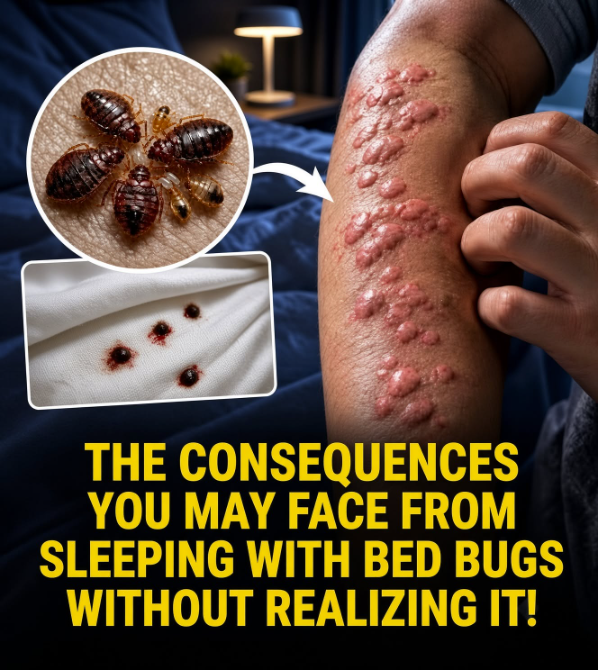
Most people think of their bed as the safest and cleanest place in the house. But if your sheets, pillowcases, and blankets are not washed regularly, your bed can slowly become a collection point for sweat, dead skin cells, body oils, dust mites, and other irritants.

For some people, the first warning may appear directly on the skin: itching, redness, bumps, or raised welts after waking up.

So what could happen when you keep sleeping in dirty bedding?

During sleep, the body naturally sheds dead skin cells and produces sweat and oil. These substances gradually build up on sheets and blankets.

For people with sensitive skin, repeated contact with accumulated irritants may contribute to itching, redness, or worsening skin irritation.

If you notice that your skin feels unusually itchy when you’re in bed or shortly after waking, your bedding may be one factor worth checking.

Dust mites are microscopic creatures that feed mainly on dead skin cells.

Beds, mattresses, pillows, and upholstered furniture can provide conditions where dust mites and their allergens accumulate.

Some people are particularly sensitive to dust mite allergens. Exposure may trigger symptoms such as sneezing, a stuffy nose, itchy eyes, or worsening eczema-like irritation.

If you sweat heavily at night, moisture can remain in bedding—especially in warm or humid rooms.

Combined with body oils and skin debris, this can create an environment where microorganisms may accumulate more easily.

This doesn’t mean dirty sheets automatically cause a serious infection. However, keeping bedding clean is an important part of basic skin and sleep hygiene.

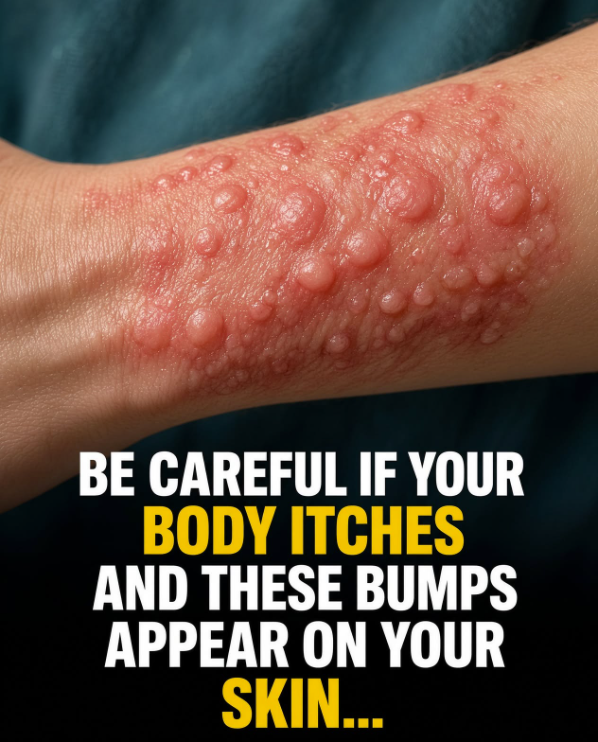
Raised, itchy welts like those shown in viral images are often blamed on “dirty sheets,” but the real cause can vary widely.

Hives, allergic reactions, insect bites, contact dermatitis, or other skin conditions can sometimes look similar.

Bedbugs are another possibility if itchy marks repeatedly appear after sleeping, particularly when accompanied by small blood spots, dark specks, or visible insects around mattress seams.

You cannot identify the cause of a rash from appearance alone.

For many households, washing bed sheets approximately once a week is a reasonable routine.

You may need to wash them more frequently if you sweat heavily, sleep with pets, have allergies, or spend long periods in bed.

Pillowcases may also need more frequent washing because they are in direct contact with facial oils, hair products, and sweat.

If itchy bumps or raised welts keep returning, spread quickly, become painful, or do not improve, consider seeking medical advice rather than assuming your bedding is the only cause.

And if swelling affects your lips, tongue, or throat, or you have difficulty breathing, seek emergency medical care immediately.

Your bed may look clean—but what builds up in your sheets over time isn’t always visible. Regular washing could make a bigger difference than you think.

Doctors Warn This “Bitter Vegetable”

by

A recent series of food poisoning cases has shocked many people after doctors warned that a common vegetable with an unusual bitter taste may contain toxins so dangerous that some experts compare its toxicity to arsenic.

According to reports, an entire family of four was hospitalized after eating a meal containing bitter gourd-like vegetables. Shortly after eating, the adults began suffering from:

Doctors later diagnosed the family with acute poisoning linked to toxic compounds found in abnormally bitter vegetables.

One of the most serious cases involved a man in Fuzhou, China, who nearly died after eating a bitter-tasting squash. Within hours, he experienced violent vomiting, repeated fainting, dangerously low blood pressure, and signs of kidney damage. Doctors suspected poisoning from cucurbitacin, a naturally occurring toxic compound that can remain dangerous even after cooking.

Medical experts explain that cucurbitacin is found in certain vegetables from the gourd family, including:

Under abnormal growing conditions, cross-pollination, or natural genetic changes, some vegetables may develop extremely high levels of this toxin, causing a strong bitter taste.

cooking does not destroy the toxin.

Doctors warn that many people mistakenly believe bitterness is harmless or even “healthy,” leading them to continue eating despite the unusual taste.

Health specialists say symptoms of poisoning may include:

Children, elderly people, and individuals with weak digestive systems may face even higher risks.

Experts recommend immediately throwing away any vegetable that tastes abnormally bitter, especially:

if a vegetable tastes strongly bitter from the first bite, do not continue eating it — even if it looks completely normal.

In cases where symptoms appear after eating bitter vegetables, people should:

Food safety experts emphasize that while these poisoning cases are relatively rare, they can become life-threatening when ignored or mistaken for ordinary stomach problems.

It’s in almost every kitchen

by

When a young couple, both only 29 years old, were diagnosed with liver cancer within a short period of each other, doctors began searching for possible lifestyle and environmental factors that could have contributed to their condition. While cancer is often linked to genetics, diet, alcohol consumption, viral infections, and other well-established risk factors, this case sparked a broader discussion about everyday household items that many people rarely question.

Among the concerns raised by health experts was the improper use and storage of large reusable drinking water containers, which remain common in many homes. These containers are convenient and economical, but if they are reused for long periods without proper cleaning or are exposed to excessive heat and sunlight, they may become a source of contamination.

Experts explain that plastic water containers can deteriorate over time. Small scratches on the inner surface may create spaces where bacteria and microorganisms can accumulate. If containers are not sanitized regularly, microbial growth may increase, especially in warm environments. Although this does not directly cause liver cancer, long-term exposure to contaminated water may negatively affect overall health.

Another concern involves the storage conditions of drinking water. Many households place large water bottles outdoors, on balconies, or near windows where they are exposed to direct sunlight. High temperatures can accelerate the degradation of plastic materials and affect water quality. Health authorities generally recommend storing drinking water in cool, shaded areas and replacing damaged containers promptly.

Doctors emphasize that liver cancer is a complex disease. In most cases, factors such as hepatitis B, hepatitis C, excessive alcohol consumption, fatty liver disease, obesity, smoking, and exposure to environmental toxins play a much larger role than any single household item. Nevertheless, maintaining clean drinking water practices remains an important part of protecting long-term health.

Proper handling of reusable water containers includes washing them regularly, inspecting them for cracks or damage, and purchasing drinking water from reputable suppliers. Families should also avoid reusing containers beyond their intended lifespan. If a bottle appears cloudy, scratched, or damaged, replacing it is often the safest choice.

Hydration itself remains essential. Drinking sufficient clean water supports kidney function, digestion, circulation, and overall well-being. The goal is not to avoid reusable water containers entirely but to ensure they are used safely and maintained properly.

Health experts encourage regular medical checkups, especially for individuals with risk factors for liver disease. Early detection dramatically improves treatment outcomes. Symptoms such as persistent fatigue, unexplained weight loss, abdominal discomfort, jaundice, or loss of appetite should never be ignored.

The story of this young couple serves as a reminder that health is influenced by many small daily habits. While no single object can be blamed for every illness, paying attention to food safety, water quality, hygiene, and preventive healthcare can help reduce risks and promote a healthier future.

Rather than causing unnecessary fear, this case highlights the importance of awareness. By adopting safe storage practices and maintaining healthy lifestyles, families can take simple yet meaningful steps toward protecting their health for years to come.

This is the disease that

by

Learn how to recognize shingles early and care for your skin safely.

Unexpected skin reactions can be deeply unsettling, especially when a sudden cluster of painful red bumps appears across one side of the body. Many people mistakenly assume they are dealing with simple bug bites, contact dermatitis, or a severe allergic reaction. However, a localized, painful rash following a distinct linear path along the torso, back, or waist is often a classic presentation of shingles, also known medically as herpes zoster.

Shingles is a distinct reactivation of a nerve infection that remains dormant inside the body for years. Recognizing the early indicators allows individuals to seek prompt evaluation and manage symptoms comfortably before the discomfort escalates.

To understand how this condition develops, one must look at the varicella-zoster virus, which is the exact same underlying factor responsible for childhood chickenpox.

When a person recovers from chickenpox, the virus does not leave the body completely. Instead, it quietly settles into nerve tissue near the spinal cord and brain where it can remain inactive for decades.

Over time, factors such as temporary stress, fatigue, physical exhaustion, or a natural weakening of the body’s natural defenses can prompt the virus to wake up. Once reactivated, it travels along nerve pathways directly to the outer layer of the skin, causing a characteristic line or band of raised, sensitive blisters.

Unlike generalized rashes that spread randomly over the entire body, shingles usually appears on only one side—often wrapping around the left or right side of the waist, chest, or ribcage.

During the early warning phase, which typically lasts from one to five days, individuals often experience a localized burning sensation, tingling, numbness, or extreme hypersensitivity to light touch.

As the active rash phase begins over the next week or two, clusters of small red bumps emerge along the affected nerve path. These bumps quickly evolve into fluid-filled blisters that itch or ache intensely.

Finally, during the healing phase, the blisters naturally begin to dry out over the course of several weeks. They gradually crust over into scabs, fall off naturally, and slowly fade away as the skin restores itself.

Managing skin discomfort at home involves protecting the area from further irritation while keeping the skin clean, cool, and calm.

Applying a cool, damp cloth to the affected area for fifteen minutes several times a day can help soothe heat and ease surface discomfort.

It is equally important to wash the skin daily using mild, fragrance-free soap and lukewarm water, making sure to avoid harsh chemical cleansers or aggressive scrubbing.

Wearing soft, loose-fitting cotton clothing helps minimize friction against sensitive skin, allowing the area to breathe. Plain calamine lotion can also be applied lightly to soothe lingering itchiness once the blisters begin to dry out naturally.

Early evaluation by a qualified health professional is crucial for managing discomfort effectively. Seeking advice within the first few days of rash onset often helps minimize the overall duration and intensity of the skin reaction.

Always consult a healthcare practitioner promptly if the rash appears anywhere near the eyes or face, covers a very large surface area, or causes extreme discomfort that disrupts sleep and daily routines. Proper care ensures a smoother recovery and keeps your skin feeling healthy and protected.

Many People Wear These Colors

by

Losing someone you love is one of life’s most difficult experiences. During the days following a funeral, families often focus on cleaning up, organizing belongings, and putting everything back in order.

In the process, some items from the funeral may seem unimportant or disposable.

However, in many cultures, people believe that certain funeral items should be kept with care—not because they bring good or bad luck, but because they carry deep emotional, cultural, or historical significance.

Here are four things many families choose to preserve after a loved one’s funeral.

The portrait displayed during a funeral often becomes one of the most treasured reminders of a loved one.

Many families place the photo in a respectful location at home as a way of remembering the person’s life and honoring their memory.

Rather than storing it away or throwing it out, the photograph can become part of family history for future generations.

Cards, letters, and written messages from friends and relatives may not seem important in the moment.

But months or even years later, many families find comfort in reading the heartfelt words people shared during a difficult time.

These messages often become lasting reminders that they were not alone in their grief.

Funeral booklets usually include photographs, meaningful quotations, important dates, and memories of the deceased.

Although they may appear to be simple printed materials, they often become valuable keepsakes that preserve a family’s history.

Many people choose to keep one copy in a memory box or with family records.

Flowers and decorations naturally fade with time, but some small personal items may carry tremendous emotional value.

It could be a handwritten note, a favorite piece of jewelry, a watch, a book, or another object closely associated with the person who has passed away.

These keepsakes often help family members feel connected to cherished memories long after the funeral has ended.

Practices differ greatly across cultures and religions.

Some families choose to keep certain ceremonial items, while others respectfully dispose of them according to their traditions or religious customs.

There is no single rule that applies to everyone.

The most important thing is to follow the customs that are meaningful to your family and to handle funeral items with respect.

The objects themselves are not what preserve someone’s memory.

The love, stories, and moments shared with that person are what remain in our hearts.

A photograph may fade, flowers may wither, and paper may age—but the memories we choose to carry forward are often the greatest keepsake of all.

Sometimes, the smallest item left behind can become the one that brings the greatest comfort years later.

Don't Ignore Nighttime Leg Cramps

by

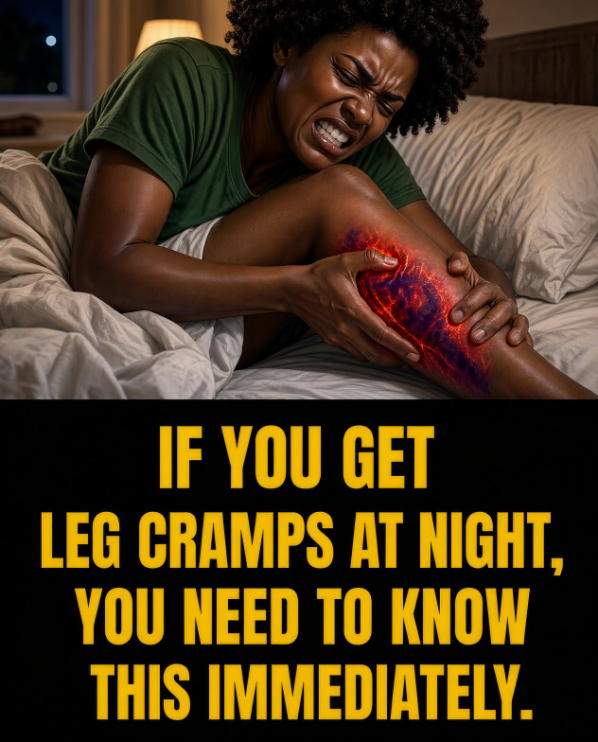
Many people have experienced the sudden, sharp pain of a leg cramp in the middle of the night. One moment you’re sleeping peacefully, and the next you’re awake with an intense tightening of the calf, foot, or thigh muscles. While nighttime leg cramps are usually harmless, frequent episodes can disrupt sleep and, in some cases, may point to an underlying health issue. Understanding the possible causes and knowing how to respond can help reduce both the pain and the chances of future cramps.

A nighttime leg cramp occurs when a muscle contracts suddenly and involuntarily. The calf is the most common location, although cramps can also affect the feet and thighs. The pain may last from a few seconds to several minutes, and the affected muscle can remain sore afterward.

There is no single cause of nighttime leg cramps. Dehydration is one possible contributor, especially after exercise or spending long periods in hot weather. Muscles also rely on minerals such as potassium, magnesium, and calcium to function normally. While true mineral deficiencies are not always the cause, maintaining a balanced diet and staying hydrated may help reduce the likelihood of cramps.

Another common factor is muscle fatigue. Standing for long hours, exercising intensely, or sitting in one position for extended periods can increase the risk. Older adults also tend to experience leg cramps more frequently because muscles naturally lose flexibility with age.

Certain medical conditions and medications may also play a role. Diabetes, peripheral artery disease, kidney disease, thyroid disorders, and some neurological conditions have all been associated with muscle cramps. In addition, some medications—including certain diuretics and cholesterol-lowering drugs—may contribute in some individuals. If cramps begin shortly after starting a new medication, discussing the issue with a healthcare provider is a good idea.

Fortunately, there are several simple techniques that often provide immediate relief. Gently stretching the affected muscle is usually the most effective approach. For a calf cramp, straighten the leg and pull the toes toward the shin. Walking carefully or massaging the muscle may also help it relax. Some people find that applying a warm towel or heating pad eases lingering discomfort, while others prefer a cool pack if soreness persists.

Preventing future cramps often involves a combination of healthy habits. Drinking enough water throughout the day, stretching the calves before bedtime, wearing supportive footwear during the day, and maintaining regular physical activity may reduce the frequency of episodes. A balanced diet that includes fruits, vegetables, dairy products, legumes, and whole grains provides many of the nutrients muscles need to function properly.

Although nighttime leg cramps are usually not dangerous, there are situations where medical evaluation is important. Seek medical advice if cramps occur very frequently, become increasingly severe, are associated with muscle weakness, swelling, redness, numbness, or if they interfere significantly with daily life or sleep. Sudden leg pain accompanied by swelling, warmth, or difficulty breathing should be treated as a medical emergency because it may indicate a blood clot or another serious condition.

For most people, occasional nighttime leg cramps are simply an uncomfortable inconvenience rather than a sign of serious illness. Paying attention to hydration, regular stretching, and overall health can often make a meaningful difference. If the problem persists or is accompanied by other concerning symptoms, consulting a healthcare professional can help identify any underlying causes and guide appropriate treatment.

Young Man in His 20s

by

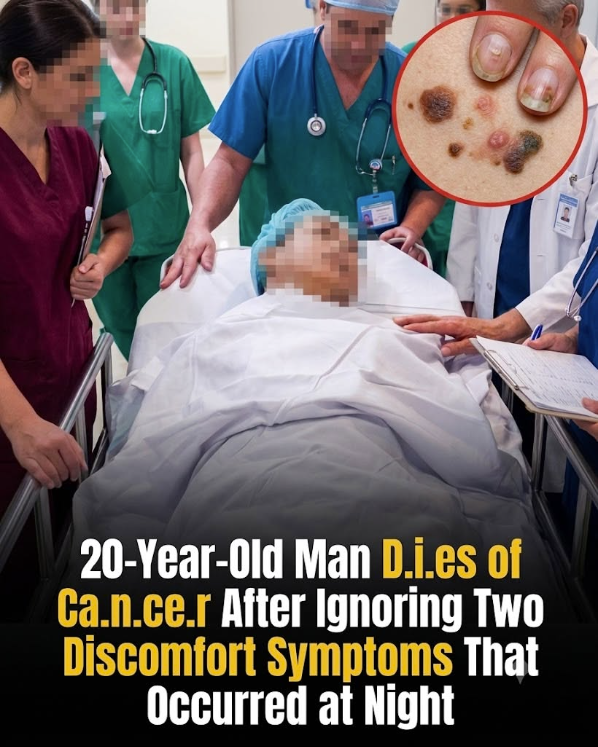
Young Man in His 20s D.i.es of C.anc.er After Ignoring Two Nighttime Symptoms

Nowadays, at 59, she's living

by

Discover the inspiring journey of Melissa Gilbert beyond the prairie.

For millions of television viewers across the globe, the golden era of classic family drama is forever defined by the sweet smile, braided pigtails, and boundless spirit of Laura Ingalls on Little House on the Prairie. Week after week throughout the nineteen-seventies and eighties, families gathered around their television sets to watch a close-knit frontier family weather life’s trials with courage, faith, and unconditional love. Yet, behind the scenes and away from the Hollywood cameras, the young actress who brought that iconic role to life, Melissa Gilbert, was navigating a deeply complicated, emotionally turbulent real-world family story of her own.

Her path was marked by an unexpected adoption, fabricated childhood tales, hidden truths, and profound personal heartbreak. Despite these overwhelming beginnings, she transformed her life into a beacon of resilience, forgiveness, and healing. Today, her inspiring story proves that where you start in life does not dictate the grace, love, and purpose you can create for your future.

An Unexpected Beginning in Los Angeles

Melissa Gilbert was born in Los Angeles in the spring of 1964. Only a single day after her birth, she was placed for adoption by her biological parents, David Darlington and Kathy Wood, who found themselves unable to provide the care and stability a newborn required while navigating their own individual pursuits.

Around the same time, entertainer Paul Gilbert and his wife, Barbara Crane, were undergoing fertility treatments in hopes of starting a family. They had never formally discussed or planned for adoption. However, when an unexpected phone call arrived informing them that a newborn baby girl was without a home and needed loving parents immediately, they opened their hearts and made a spontaneous, life-changing decision to welcome Melissa into their lives.

Growing Up Under Hollywood Lights and Family Myths

As Melissa grew up surrounded by the bustling energy of the entertainment industry, her adoptive family painted a romanticized portrait of her heritage. They told her glamorous stories, claiming her biological father had been an accomplished Rhodes Scholar and her biological mother a world-renowned prima ballerina.

It was not until years later that Melissa uncovered the authentic truth about her origins. While her biological mother had indeed pursued work as a dancer, her biological father was a dedicated stock car racer and sign painter. Discovering that her childhood background had been embellished was jarring, yet it marked the beginning of her lifelong journey toward understanding identity, acceptance, and authenticity.

The Devastating Loss of Her Greatest Hero

Despite the unconventional circumstances surrounding her adoption, Melissa shared a deeply affectionate, tender bond with her adoptive father, Paul Gilbert. Paul was her anchor, her biggest supporter, and the person who made her feel entirely safe and cherished.

Tragedy struck in 1976 when Paul suddenly passed away. At the time, Melissa was only twelve years old and busy filming the early seasons of Little House on the Prairie. To shield the young actress from overwhelming emotional trauma, the adults in her life told her that her beloved father had suffered an unexpected stroke.

Melissa carried that explanation with her into adulthood. However, decades later, she stumbled upon the heartbreaking truth: her father had experienced severe, unbearable physical suffering and long-term health complications, ultimately choosing to end his own life. The realization that she had been shielded from the true nature of his passing sent shockwaves through her world, plunging her into a period of deep sorrow, insomnia, and confusion.

The Road to Healing and Forgiveness

Faced with such profound grief, Melissa refused to let the darkness consume her. She took proactive steps to understand her past, seeking professional guidance and looking into medical records to piece together the immense physical challenges her father had quietly endured during his final days.

Through this journey of self-discovery, Melissa found the strength to forgive her adoptive mother for keeping the secret for so many years, recognizing that the choice had been made out of a protective desire to shield a young child from adult despair. Rather than harboring bitterness, Melissa transformed her personal pain into public advocacy, dedicating her platform to promoting mental health awareness, emotional wellness, and compassionate support networks for families in crisis.

Finding Peace, Purpose, and a Blended Family

From 1974 to 1983, Melissa Gilbert’s portrayal of Laura Ingalls made her a household name, but her greatest accomplishment remains her ability to build a grounded, peaceful personal life away from the spotlight.

Today, she embraces life on a rustic, serene country property alongside her husband, celebrating the joys of a large, blended family of children and grandchildren. She speaks openly and honestly about the complexities of adoption, the weight of generational secrets, and the importance of self-love.

Her enduring legacy is not just that of a celebrated Hollywood icon, but of a courageous woman who faced painful beginnings, unraveled hidden truths, and chose compassion, gratitude, and resilience every step of the way.

Hotel stay? don't forget to

by

Checking into a hotel is exciting, but experienced travelers often have a few simple habits that help them stay safe and comfortable.

One surprisingly popular tip is to roll or toss a water bottle under the bed immediately after entering the room. While it may sound strange, there’s actually a practical reason behind it.

Instead of kneeling down or reaching under the bed, some travelers simply roll a water bottle underneath.

If the bottle rolls smoothly out the other side, the space is likely clear.

However, if it gets stuck or doesn’t come out, it may be worth taking a closer look to see what’s blocking it.

Although rare, hotel staff and experienced travelers recommend checking under the bed because it can sometimes reveal:

While finding a person under a hotel bed is highly uncommon, there have been isolated news reports over the years involving unusual incidents in hotels. Most of the time, you’ll simply find dust—or nothing at all.

Many seasoned travelers also recommend:

These simple checks take only a minute but can provide extra peace of mind during your stay.

Rolling a water bottle under the bed isn’t a guarantee of safety, but it’s an easy trick that takes just a few seconds.

Combined with basic awareness and common sense, small habits like this can help make every hotel stay a little safer and more comfortable.

The next time you check into a hotel, you might be surprised how quickly one simple water bottle can help you inspect the room.

WHAT HAPPENS WHEN WE TONGUE

by

A deep kiss, often called a French kiss or tongue kiss, is more than just a romantic gesture. When two people kiss with their tongues, their bodies and brains can react in several interesting ways — from increased saliva production and sensory stimulation to the exchange of microorganisms.

But what really happens? Here’s a closer look. 👇

Your lips and tongue contain many nerve endings, making kissing a highly sensory experience. During an intimate kiss, your brain processes touch, taste, smell and emotional signals at the same time.

This can trigger feelings of excitement, pleasure and emotional closeness. Your heart rate may increase, your breathing can change and you may become more focused on your partner.

During a tongue kiss, partners exchange saliva. Saliva is mostly water, but it also contains proteins, enzymes, antibodies and many microorganisms. Saliva plays an important role in protecting the mouth and helping with digestion.

This means kissing can expose you to some of the microorganisms naturally present in another person’s mouth.

That doesn’t mean every kiss is dangerous — but good oral hygiene matters.

The human mouth contains hundreds of different types of microorganisms. When you kiss someone deeply and exchange saliva, some bacteria can be transferred between mouths.

People with poor oral hygiene or active gum problems may carry higher levels of certain bacteria. Good dental hygiene — including regular brushing and flossing — helps maintain a healthier oral environment.

Kissing can be an important form of physical intimacy. For many couples, deep kissing can increase feelings of affection, connection and attraction.

That’s because kissing involves much more than physical contact. Your brain is also processing:

This combination can make kissing feel especially intense and personal.

An exciting kiss can temporarily increase your heart rate and alter your breathing pattern. You may feel warmer, more alert or even slightly nervous.

That’s partly because intimate moments can activate the body’s emotional and physiological responses.

For some people, a passionate kiss may even cause the famous feeling of “butterflies in the stomach.” 🦋

Pleasurable physical contact can activate brain pathways associated with reward and emotional bonding.

This is one reason why kissing can improve your mood or make you feel calmer, happier and more connected to someone you care about.

Of course, everyone’s experience is different. A kiss that feels exciting to one person may feel uncomfortable or awkward to another.

When you’re kissing, saliva production can increase.

But increased saliva during kissing doesn’t replace regular brushing and flossing!

Although kissing is generally considered lower-risk than many other forms of sexual contact, some infections can spread through saliva or close mouth-to-mouth contact.

Mononucleosis is sometimes called the “kissing disease” because EBV commonly spreads through saliva.

This is why it’s wise to avoid kissing when you or your partner has an active cold sore or is known to have a contagious illness.

Kissing can be part of a healthy and enjoyable relationship when both people are comfortable and consenting. It may contribute to:

❤️ Feelings of intimacy😊 Improved mood🧠 Emotional connection💋 Physical affection😌 Relaxation and enjoyment

However, kissing is not a medical treatment, and claims that it can cure diseases, dramatically boost immunity or burn significant amounts of calories are often exaggerated.

Brush your teeth regularly, floss, clean your tongue if needed and visit your dentist for routine care. A healthy mouth can help reduce bad breath and oral health problems.

Tongue kissing is a fascinating combination of biology, emotion and physical attraction. Your brain becomes highly engaged, saliva is exchanged, sensory nerves are stimulated and feelings of closeness may increase.

But remember: a passionate kiss also means sharing microorganisms, so good oral hygiene and awareness of contagious infections are important.

So… next time you kiss someone deeply, remember — there’s a lot more happening than just touching lips!

He Ate Garlic Every Day

by

Believing garlic was a “natural antibiotic” capable of improving kidney health, a 28-year-old man in China reportedly began eating large amounts of garlic every day in hopes of treating his chronic kidney inflammation naturally.

However, after five months of following the habit, doctors were reportedly shocked when they saw the results of his medical tests.

According to reports, the man — identified as Li, an IT engineer from Jiangsu Province — was diagnosed with chronic kidney inflammation during a routine health examination.

After learning about his condition, he began searching online for natural remedies and repeatedly came across articles praising garlic as a powerful health food.

Convinced that garlic could help “repair” his kidneys, he started eating:

He reportedly maintained the habit continuously for five months.

When Li returned for a follow-up examination, doctors reportedly noticed abnormal changes in his kidney-related test results.

One physician allegedly asked him:

“What exactly have you been doing to your body these past few months?”

After discussing his diet, doctors concluded that his excessive garlic consumption may have worsened the burden on his kidneys instead of helping them.

Medical experts explained that garlic does contain allicin, a compound known for mild antibacterial and anti-inflammatory properties.

However, doctors emphasized that:

garlic is not a cure for chronic kidney disease.

Specialists warned that consuming excessive amounts over long periods may:

Experts also noted that garlic contains potassium. For individuals with kidney disease, excess potassium may become dangerous because damaged kidneys cannot remove it efficiently.

High potassium levels in the blood may increase the risk of:

Doctors say people with chronic kidney conditions should be cautious about:

Experts also recommend avoiding blindly following online “miracle food” trends without professional medical guidance.

After adjusting his treatment plan and improving his eating habits under medical supervision, Li’s kidney-related health indicators reportedly began stabilizing.

Doctors say the case serves as an important reminder that:

no single food can cure chronic disease.

Even foods widely considered healthy may become harmful when consumed excessively — especially for people with underlying medical conditions.

Health professionals continue to advise patients to:

Very confusing, be careful

by

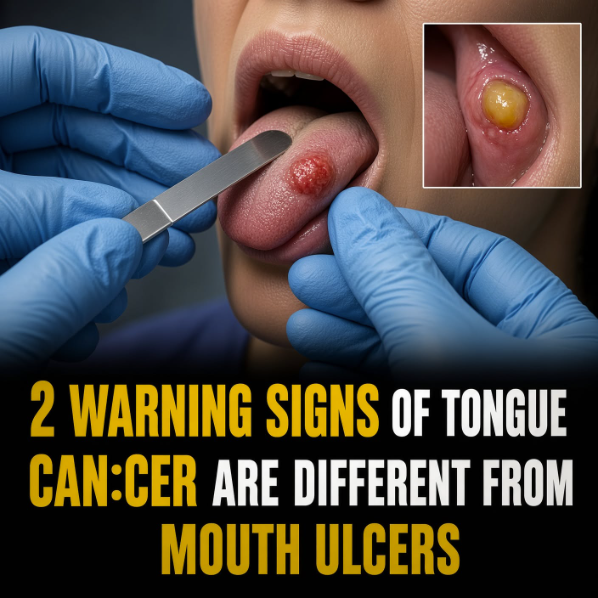
Most people experience a mouth ulcer at some point in their lives. These small sores can be painful and annoying, but they usually heal on their own within one or two weeks. However, not every sore on the tongue is harmless. In some cases, what appears to be a simple ulcer may actually be an early sign of tongue cancer.

Tongue cancer is a type of oral cancer that develops in the tissues of the tongue. Like many forms of cancer, early detection can make a significant difference in treatment outcomes. Unfortunately, the early symptoms are often subtle and easy to ignore, causing some patients to delay seeking medical attention.

One of the most important warning signs is a persistent sore that does not heal. While ordinary mouth ulcers typically improve within 7 to 14 days, a lesion related to tongue cancer may remain for several weeks or even months. The affected area may continue to grow, become more painful, or develop a hard edge around the sore. If a tongue ulcer remains present for more than two weeks despite normal care, it is worth discussing with a healthcare professional.

Another key warning sign is the presence of a firm lump or thickened area on the tongue. Unlike a common ulcer, which is usually soft and temporary, cancerous tissue may feel harder than the surrounding tissue. Some people describe the sensation as having a small bump, knot, or rough patch that does not disappear over time.

Additional symptoms can sometimes accompany these warning signs. These may include difficulty chewing, pain when swallowing, numbness in part of the tongue, unexplained bleeding, or changes in speech. Some individuals also notice a persistent red or white patch inside the mouth that does not go away.

It is important to remember that these symptoms do not automatically mean a person has cancer. Many oral conditions, infections, injuries, and inflammatory disorders can cause similar changes. However, persistent symptoms should never be ignored, especially when they continue for several weeks.

Several factors can increase the risk of tongue cancer. Tobacco use remains one of the most significant risk factors, including smoking cigarettes, cigars, or using smokeless tobacco products. Excessive alcohol consumption may also increase risk, particularly when combined with tobacco use. Human papillomavirus (HPV) infection has been linked to some oral cancers as well.

Maintaining good oral hygiene and scheduling regular dental checkups can help detect problems early. Dentists often identify suspicious lesions during routine examinations before patients even notice them. Regular screenings are especially important for individuals with known risk factors.

If you discover a sore, patch, or lump on your tongue that persists beyond two weeks, consider making an appointment with a dentist or doctor. Medical professionals may recommend a thorough examination and, in some cases, additional testing to determine the cause.

Awareness is one of the most effective tools in protecting your health. While most tongue sores are harmless and temporary, recognizing the difference between a common ulcer and a potentially serious condition can help ensure timely treatment when it matters most. Paying attention to persistent symptoms and seeking professional advice can provide peace of mind and support better long-term outcomes.

Early action does not guarantee a diagnosis of cancer, but it can greatly improve the chances of identifying and treating any underlying issue before it becomes more difficult to manage.

You think they’re healthy, but

by

Summer heat can tempt you into habits that seem harmless but may quietly damage your health. According to experts, these five common behaviors during hot weather may do more harm to your stomach than eating fatty meat—yet few people realize it.

According to GLOBOCAN 2022, more than 1.12 million new cases of stomach cancer and approximately 768,000 deaths are recorded worldwide each year. In Vietnam, stomach cancer ranks among the four most common cancers and is increasingly affecting younger people.

Medical experts say that the rising incidence and mortality are largely due to delayed diagnosis, ignoring early warning signs, and unhealthy modern lifestyles. Poor eating habits—such as skipping meals, consuming excessively spicy or greasy foods, and excessive alcohol consumption—can gradually erode the stomach’s protective lining and create conditions that encourage the growth of cancerous cells.

Many people assume that fatty meat is one of the biggest threats to stomach health. However, Dr. Huo Jianyang of Peking University People’s Hospital (China) says that during the summer, the following five habits may be even more damaging. The stomach lining has a limited ability to protect itself, and repeatedly exposing it to these behaviors may gradually increase the risk of serious digestive diseases.

On extremely hot days, many people come home from the heat and immediately drink a glass of ice water before eating anything.

Dr. Huo warns that this sudden exposure to extremely cold drinks can place intense physical stress on the stomach.

When ice-cold water enters an empty stomach, the blood vessels beneath the stomach lining constrict abruptly, reducing blood flow and temporarily weakening the stomach’s protective mucus layer. Repeated exposure to this type of thermal shock may impair digestion, trigger painful stomach cramps, and contribute to chronic irritation over time.

During summer, many office workers spend eight or nine consecutive hours sitting in air-conditioned environments to escape the heat.

Most people associate prolonged sitting with back pain, but poor circulation is an equally important concern.

According to the World Health Organization, physical inactivity contributes to more than 3.2 million deaths worldwide every year.

For the digestive system, remaining sedentary for long periods while exposed to cool indoor temperatures may slow intestinal movement, causing food to remain in the digestive tract longer than normal. Over time, this can contribute to digestive discomfort and place additional strain on the stomach.

Hot summer nights often make it difficult to fall asleep. Combined with longer daylight hours, many people stay awake binge-watching TV shows, scrolling through social media, or playing video games late into the night.

Sleep medicine research has shown that regularly sleeping fewer than six hours per night increases levels of inflammatory markers throughout the body.

Nighttime is also when the stomach lining undergoes much of its repair and regeneration. If you stay up late frequently, stomach acid continues to be produced even when there is no food to digest. Over time, this may irritate the stomach lining and increase the risk of ulcers.

People who stay up late are also more likely to snack late at night and consume sugary drinks, both of which may negatively affect digestive health.

Many people think emotions only affect mental health, but they also have a direct impact on the digestive system.

Hot weather can increase feelings of irritability, anxiety, and frustration, leading to elevated levels of stress hormones such as adrenaline and cortisol.

These hormonal changes may disrupt the autonomic nervous system, which regulates stomach function. As a result, blood vessels may constrict, stomach acid production may become unbalanced, and the stomach’s protective lining can become more vulnerable to irritation.

Research suggests that digestive disorders often worsen during periods of prolonged emotional stress.

Summer is peak season for popular street foods such as raw salads, lightly cooked seafood, and fresh vegetable wraps. However, high temperatures also create ideal conditions for bacteria to multiply rapidly if food is not prepared hygienically.

Dr. Huo emphasizes that Helicobacter pylori (H. pylori) is the leading bacterial cause of stomach cancer and has been classified by the World Health Organization as a Group 1 carcinogen, meaning there is sufficient evidence that it can cause cancer in humans.

When contaminated food is combined with spoiled ingredients that deteriorate more quickly in hot weather, the risk of stomach infection and long-term damage to the stomach lining may increase substantially.

While no single habit directly causes stomach cancer, repeatedly exposing your stomach to unhealthy behaviors over many years may increase the risk of chronic digestive diseases. Maintaining healthy eating habits, getting enough sleep, managing stress, staying physically active, and practicing proper food hygiene are all important steps toward protecting your stomach and overall health.

If you've ever seen these

by

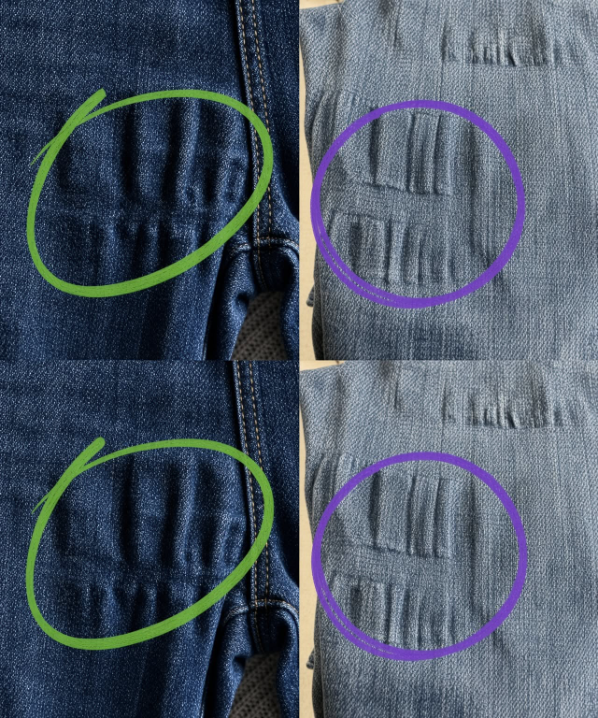
Have you ever pulled your favorite pair of pants out of the laundry, only to notice an odd, wavy distortion across the thighs, lap, or rear? You are certainly not alone. This frustrating phenomenon is a common textile failure that plagues millions of wardrobes worldwide. If you look at the example provided , you can clearly see these distinct, horizontal or vertical puckers forming rectangular patterns where the fabric has completely lost its flat, smooth texture.

This deep-dive guide covers why this structural breakdown happens, how everyday laundry habits accelerate the damage, and the steps you can take to prevent or manage it.

To understand why the fabric is distorting, you have to look at how modern denim is constructed. Traditional denim is made from 100% rigid cotton woven in a twill pattern. While incredibly durable, pure cotton lacks flexibility. To make pants more comfortable, form-fitting, and flexible, apparel brands began incorporating synthetic elastic fibers into the weave. These fibers are commonly known as:

Typically, these elastic threads run horizontally along the weft yarns of the fabric. They act like microscopic rubber bands woven right into the cotton core. When you sit, bend, or move, the elastic stretches out; when you stand up, it contracts, allowing the garment to snap back into its original shape.

Elastic breakdown rarely happens from a single day of wear. Instead, it is usually a cumulative result of improper garment maintenance, excessive stress, or poor fabric composition.

Synthetic fibers like elastane are highly sensitive to thermal exposure. When you wash your clothes in hot water or run them through a standard tumble dryer cycle on high heat, you are essentially melting or weakening the plastic components inside the yarn. Once the core structure reaches a critical temperature, it loses its “memory” and capability to retract.

It might seem counterintuitive, but fabric softeners are incredibly harmful to stretch activewear and flexible denim. Fabric softeners work by leaving a thin, chemical coating over the fibers to make them feel smoother. This chemical buildup penetrates the core of stretch yarns, causing the elastane to swell, degrade, and lose its tensile strength over time.

High-stress areas—such as the upper thighs, the knees, and the seat—experience constant stretching throughout the day. When a garment is a bit too tight or subjected to hours of sitting, the elastic is pulled to its absolute limit. Combined with the natural friction of movement, the stressed fibers eventually snap under pressure.

Not all stretch materials are built equal. Budget-friendly clothing lines often utilize low-grade elastane that lacks proper heat stabilization. Furthermore, jeans with excessive stretch percentages (above 3% to 5%) are far more prone to widespread puckering compared to premium “comfort stretch” denim which contains only 1% to 2% elastane.

The short answer is: once the internal elastic fibers are severed or completely melted, they cannot be woven back together. The damage visible in image_311a60.jpg represents a structural breakdown of the material itself.

However, if the puckering is minor or just beginning, you can try a temporary cosmetic reset using controlled moisture and thermal compression.

Dampen the Area: Lightly mist the rippled fabric with clean water or a highly diluted mix of water and plain white vinegar.

Set Your Iron: Turn your clothing iron to a low or medium synthetic setting. Never use maximum heat, as this will worsen the issue.

Use a Pressing Cloth: Place a clean cotton towel or pillowcase over the ripples to shield the denim from direct metal contact.

Iron Firmly: Press down firmly and glide the iron across the ripples, attempting to flatten the excess cotton back into position.

Note: This method simply flattens the loose cotton fibers temporarily. As soon as you wear the pants again or wash them, the lack of underlying elastic support will cause the ripples to return.

If you want to protect your clothing investment and ensure your favorite pairs maintain their smooth profile, you must adjust how you handle laundry day.

Always look at the textile content before throwing items into the machine. If a garment contains even 1% spandex or elastane, treat it as a delicate item.

Always select the coldest water setting available on your washing machine. Cold water protects the synthetic bonds from thermal degradation and prevents premature aging of the fabric.

Before tossing your denim into the wash basin, flip them completely inside out. This simple step minimizes structural friction against the outer face of the fabric and protects the weave from getting caught on buttons, zippers, or the washing machine agitator.

Ditch the liquid softeners and commercial dryer sheets. If you need to neutralize odors or soften rigid textures naturally, add half a cup of plain distilled white vinegar to the rinse compartment instead.

The simplest way to completely avoid the issue shown is to keep your stretch clothing far away from the mechanical tumble dryer. Instead, lay your pants flat on a drying rack or hang them securely by the waistband to air dry in a well-ventilated space out of direct sunlight.

If you are tired of dealing with elastic failure, it might be time to rethink the types of fabric you purchase. The table below outlines how different compositions handle wear, tear, and long-term maintenance.

To reduce the likelihood of encountering fabric distortion in the future, follow these helpful shopping guidelines:

Check the Fiber Breakdown: Look for options that contain between 98% cotton and 2% elastane (or less). This ratio provides a modest amount of comfortable give without sacrificing the structural stability of the cotton weave.

Feel the Weight: Heavyweight fabrics naturally resist distortion much better than paper-thin materials. Opt for a sturdier, weightier hand-feel whenever possible.

Choose the Right Size: Avoid purchasing stretch clothing that feels excessively tight in the changing room with the expectation that it will stretch out. Excessive, continuous tension is a primary catalyst for fiber breakage.

By understanding the delicate nature of synthetic textile blends and utilizing a gentle laundry routine, you can keep your wardrobe looking pristine, flat, and perfectly fitted for years to come.

AI content · ·

by

Have you ever felt something strange stuck in the back of your throat? Maybe you experienced a persistent tickling sensation, bad breath, or the feeling that something was trapped inside—even though you couldn’t see anything.

Then suddenly, after coughing or sneezing, a small white or yellowish lump comes out.

Tonsil stones, also known as tonsilloliths, are small, hard or soft lumps that form in tiny pockets and crevices of the tonsils.

Food particles, dead cells, mucus, bacteria, and other debris can become trapped in these small spaces. Over time, the material can collect and harden, forming a small white or yellowish stone.

Some tonsil stones are tiny and barely noticeable. Others can become larger and cause uncomfortable symptoms.

Many people don’t realize they have tonsil stones until one suddenly comes out. However, some common signs may include:

Sometimes, a tonsil stone may come out after coughing, sneezing, or clearing your throat.

People with deep folds or pockets in their tonsils may be more likely to develop them. Poor oral hygiene can also allow more bacteria and debris to accumulate, although tonsil stones can occur even in people who brush their teeth regularly.

Previous tonsil infections or chronic inflammation may also contribute to the formation of these tiny lumps.

In many cases, small tonsil stones are not dangerous. However, they can be annoying and may cause bad breath or throat discomfort.

If you frequently develop large tonsil stones, have severe pain, swelling, fever, difficulty swallowing, or trouble breathing, it’s important to seek medical advice.

Good oral hygiene may help reduce the buildup of bacteria and debris. This includes:

Avoid aggressively poking or digging into your tonsils, as this can cause bleeding or injury.

So, if you’ve ever sneezed or coughed and suddenly found a tiny white or yellowish lump in your mouth, don’t panic—it may simply be a tonsil stone that was hiding in your throat.

They gave their 8-year-old this

by

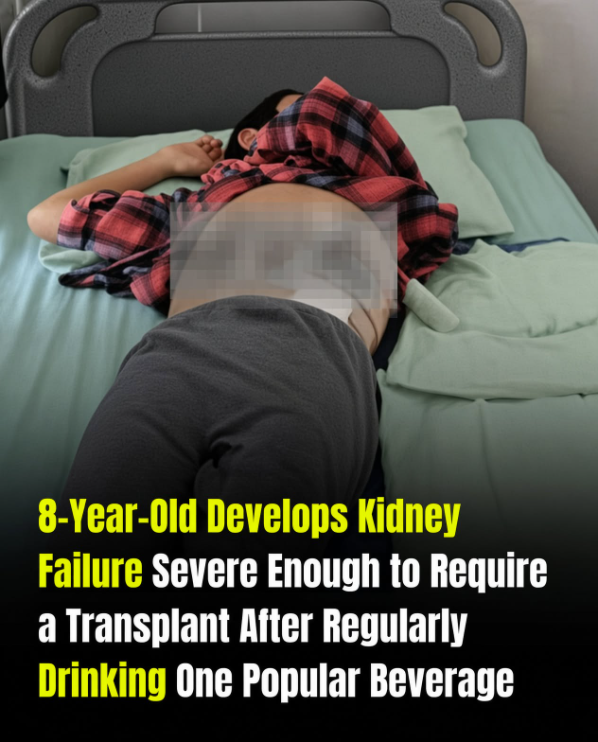
An 8-year-old boy from Wuhan, China, has become the focus of a cautionary health story after being diagnosed with chronic kidney failure and advanced uremia, a condition so severe that doctors reportedly had to consider a kidney transplant.

What shocked doctors most was not his age, but a daily habit that had gone unchecked for years.

According to reports, the boy, identified as Xiaoh Hao, rarely drank plain water.

Instead, he developed a habit of drinking two to three bottles of soda every day, often using soft drinks to quench his thirst.

His parents, busy with work, did not pay much attention to his drinking habits. Over time, sugary beverages became a normal part of his daily routine.

About six months before his diagnosis, the boy began showing subtle symptoms.

He lost interest in food, frequently complained of itchy skin, and developed mild swelling around his eyes and face.

Because the symptoms seemed minor, his family assumed he simply needed more rest and did not suspect a serious illness.

Everything changed when he suddenly developed severe abdominal pain and pain while urinating.

His mother also noticed blood and excessive foam in his urine, prompting an urgent visit to the hospital.

Medical tests revealed that the boy’s creatinine level had risen above 1,000 micromoles per liter, indicating severe kidney dysfunction.

Further examinations suggested that he had been living with chronic kidney disease for some time and had already progressed to uremia, one of the most serious complications of kidney failure.

Doctors also found that the child had developed type 2 diabetes, a condition that has become increasingly common among children with unhealthy dietary habits.

Although doctors were able to stabilize his condition, long-term treatment remained a major challenge.

Health experts emphasize that soda does not directly cause kidney failure overnight.

However, frequent consumption of sugary beverages may contribute to:

Over time, these conditions can place enormous stress on the kidneys and other organs.

Doctors say parents should pay attention if a child experiences:

Early detection can significantly improve treatment outcomes.

Medical experts stress that soft drinks may be enjoyed occasionally, but they should never replace water as a child’s primary beverage.

The case serves as a reminder that kidney disease and type 2 diabetes are no longer conditions seen only in adults. Poor dietary habits established during childhood can have serious consequences later in life.

For parents, monitoring what children drink may be just as important as monitoring what they eat.

We see it every day

by

You’ve probably seen the letters “WC” countless times on restroom signs in airports, hotels, restaurants, train stations, and public buildings around the world.

But have you ever stopped to wonder what those two letters actually mean?

Surprisingly, many people use the term regularly without knowing its origin.

The abbreviation WC stands for “Water Closet.”

The term originated in the 19th century when indoor plumbing became more common in Europe.

At the time, a “water closet” referred to a small room containing a flush toilet. The name distinguished it from other types of bathrooms and outhouses that did not use running water.

Although the phrase “water closet” sounds old-fashioned, the abbreviation WC has survived for more than a century.

Many countries continue to use it on public restroom signs because:

That’s why you may see “WC” even in places where English is not the primary language.

Today, when people see a WC sign, they understand it to mean a restroom or toilet facility.

However, in traditional architectural terminology, a water closet specifically referred to a room containing only a toilet, separate from a bathing area.

Depending on where you travel, restrooms may be labeled as:

Despite the different names, they all serve the same basic purpose.

The next time you see a WC sign, you’ll know that it stands for “Water Closet,” a term dating back to the early days of indoor plumbing.

It’s a small piece of history that millions of people walk past every day without ever realizing what those two letters actually mean.

These are the consequences of

by

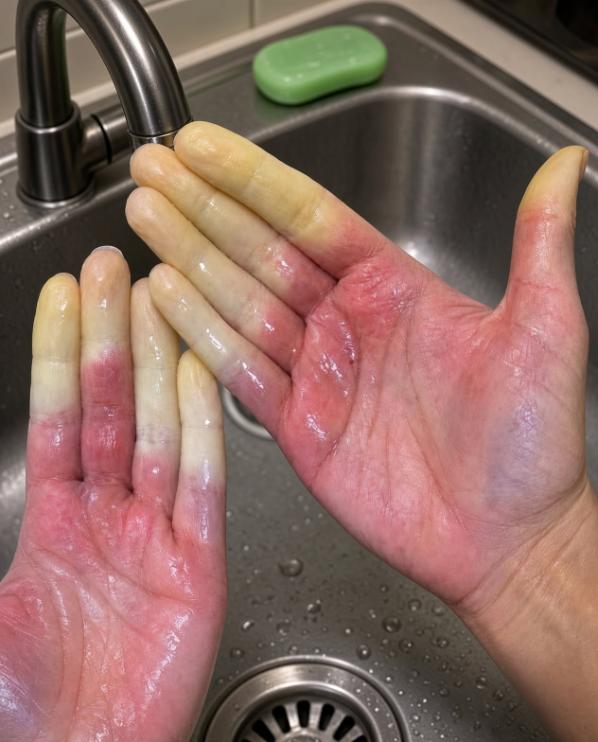
The hands contain a network of tiny blood vessels responsible for delivering oxygen-rich blood to tissues. Under certain conditions, these blood vessels may narrow temporarily, reducing blood flow to the fingers. As circulation decreases, the skin can appear white or pale. Once blood flow begins to return, the fingers may turn blue and eventually red as circulation normalizes.

One of the most common reasons for this phenomenon is exposure to cold temperatures. The body naturally redirects blood toward vital organs to conserve heat, causing the small vessels in the fingers and toes to constrict. Emotional stress can trigger a similar response because the nervous system activates protective mechanisms that influence blood circulation.

For some individuals, these episodes occur more frequently and more dramatically than expected. They may notice sharp color contrasts, numbness, tingling sensations, or temporary loss of feeling in their fingers. The episodes often begin in one finger before spreading to others and can last from several minutes to over an hour.

Women tend to experience these circulation-related changes more often than men, particularly during adulthood. Genetics, environmental factors, and lifestyle habits may all contribute to how the body’s blood vessels respond to temperature and stress.

Although occasional color changes can be harmless, repeated episodes should not be ignored, especially if they interfere with daily activities or are accompanied by discomfort.

A 42-Year-Old Man D.ies After

by

A bizarre eating challenge took a tragic turn when a 42-year-old man in India reportedly collapsed after eating 42 boiled eggs during a bet with a friend. The incident, which occurred several years ago, has recently resurfaced online, drawing renewed attention to the potential dangers of extreme eating challenges.

According to the Vietnamese report, the man, identified as Subhash Yadav, was from Uttar Pradesh, India. He reportedly agreed to eat 50 boiled eggs in one sitting in exchange for a prize of 2,000 rupees, equivalent to approximately 650,000 Vietnamese dong.

The incident reportedly took place on November 3, 2019, at Bibiganj market in Jaunpur district.

That day, Yadav was sitting and eating with a friend when the two became involved in an argument. What began as a conversation eventually turned into an unusual challenge.

Yadav confidently declared that he could eat 50 boiled eggs in a single sitting. The two men then reportedly agreed to a bet worth 2,000 rupees.

They purchased 50 boiled eggs and began the challenge in front of several onlookers.

At first, everything appeared to be going according to plan. Yadav continued eating one egg after another, apparently showing no obvious signs of difficulty.

For those watching, it may have seemed like an entertaining test of endurance. But the situation took a sudden and frightening turn.

After eating his 42nd egg, Yadav reportedly collapsed and lost consciousness.

The people present immediately rushed to help him and took him to a nearby hospital.

Despite efforts to save him, the 42-year-old man did not survive.

What had begun as a strange wager between friends had ended in a devastating loss of life.

A man goes to stretch

by

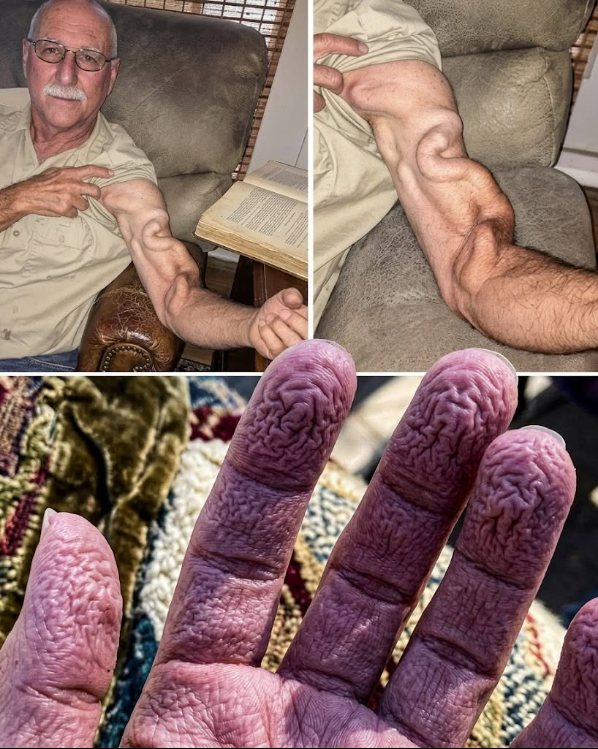
It started like any ordinary movement. A man lifted his arm to stretch, something he had done thousands of times before, when a sudden sharp pain tore through his upper arm. Within minutes, the pain was followed by swelling and a strange, unnatural bulge forming near his elbow. What looked like a twisted muscle quickly turned into something far more alarming. The image of his arm spread online, with many people convinced it was some kind of rare disease or freak injury. In reality, doctors say this dramatic-looking condition has a clear and well-documented explanation.

The injury is known as a biceps tendon rupture, often referred to as the “Popeye deformity.” It happens when the tendon that connects the biceps muscle to the shoulder tears, allowing the muscle to bunch up lower in the arm. This creates the unmistakable bulge seen in the photo. While it can look horrifying, medical experts explain that it usually occurs during sudden force, heavy lifting, or even simple stretching if the tendon has weakened over time due to age or wear.

Surprisingly, many people who suffer this injury don’t experience unbearable pain after the initial moment. Some even regain most of their arm function without surgery. Doctors say that while strength may be reduced, especially for lifting or rotating the arm, daily activities can often continue with physical therapy. However, ignoring the injury can lead to long-term weakness or complications, which is why medical evaluation is strongly recommended when symptoms appear suddenly.

The second image circulating alongside the arm photo shows deeply wrinkled fingers, which confused many viewers even more. This condition, however, is completely unrelated. Those pale, pruned fingers are the result of prolonged exposure to water. Scientists explain that when skin is submerged, blood vessels constrict as part of a nervous system response, causing the skin to wrinkle. It’s not dehydration, aging, or disease — it’s actually a protective mechanism to improve grip in wet conditions.

Together, these images created a perfect storm of online speculation. Some claimed the man was suffering from a rare genetic disorder, while others suggested nerve damage or circulation failure. In truth, both images show common biological responses that simply look extreme when captured at the right moment. Doctors emphasize that while these conditions appear dramatic, they are far more common than people realize.

The takeaway is simple but important. Sudden changes in your body, especially sharp pain followed by visible deformity, should never be ignored. At the same time, not every shocking image points to a deadly condition. Understanding what your body is doing — and why — can prevent panic and help you seek the right care at the right time.

AI content · ·

by

Skin changes are among the body’s most noticeable warning signs. While occasional itching or small bumps are often harmless and disappear within a few days, persistent itching accompanied by raised bumps, redness, or swelling should not be ignored. These symptoms can be linked to a wide variety of conditions, ranging from simple allergic reactions to chronic skin disorders or, in rare cases, signs of an underlying health problem. Understanding the possible causes can help you decide when home care is enough and when it is time to seek medical advice.

One of the most common causes of itchy bumps is an allergic reaction. Contact with certain soaps, detergents, cosmetics, plants, fabrics, or metals can trigger contact dermatitis, resulting in red, itchy patches and small raised bumps. Food allergies and medications may also cause hives—raised, itchy welts that can appear suddenly and move from one part of the body to another. In many cases, these reactions improve once the trigger is removed.

Another possibility is eczema (atopic dermatitis), a chronic condition that affects millions of people worldwide. Eczema often causes dry, itchy skin with small bumps that become irritated from scratching. Symptoms may worsen during cold weather, periods of stress, or after exposure to irritants. Although eczema cannot always be cured, regular moisturizing and appropriate treatment can help manage flare-ups effectively.

Insect bites are another frequent reason for itchy skin bumps. Mosquitoes, fleas, bed bugs, and other insects can leave clusters of itchy, raised spots that may remain irritated for several days. Avoiding excessive scratching is important because broken skin increases the risk of bacterial infection.

Certain infections can also produce itchy bumps. Fungal infections, viral illnesses, and bacterial skin infections may all affect the skin differently. Scabies, for example, is caused by tiny mites that burrow into the skin, producing intense itching that often becomes worse at night. Because treatment varies depending on the cause, obtaining an accurate diagnosis is essential.

Sometimes itchy skin occurs alongside conditions that are not primarily skin diseases. Liver disease, kidney disease, thyroid disorders, diabetes, and some blood disorders can occasionally lead to generalized itching. While these conditions do not always cause visible bumps, persistent itching without an obvious explanation should be discussed with a healthcare provider, particularly if accompanied by fatigue, weight loss, fever, or other concerning symptoms.

Fortunately, many mild cases improve with simple self-care. Keeping the skin moisturized, avoiding harsh soaps, wearing breathable clothing, and using fragrance-free skincare products may reduce irritation. Applying cool compresses can also soothe itching. However, it is important to avoid scratching excessively, as this can damage the skin and increase the likelihood of infection.

Medical evaluation is recommended if the rash spreads rapidly, becomes painful, develops blisters, produces pus, or is accompanied by difficulty breathing, swelling of the face or throat, or a high fever. Likewise, itching that persists for more than two weeks despite home care deserves professional assessment. A healthcare provider may recommend allergy testing, skin examination, blood tests, or other investigations to identify the underlying cause.

The key message is that itchy bumps on the skin are not a diagnosis by themselves. They may result from something as simple as dry skin or an insect bite, or they may indicate a condition that requires medical treatment. Paying attention to persistent or worsening symptoms and seeking timely medical advice can help prevent complications and provide relief sooner.

Healthy skin often reflects overall well-being. Maintaining good hygiene, protecting your skin from irritants, staying hydrated, and addressing unusual skin changes promptly are practical steps that support long-term skin health.

Women in the 75s... What

by

At first glance, it looks like a simple photo—four young women, relaxed, confident, just enjoying a moment together. Nothing staged, nothing overly polished. But the longer you look, the more something stands out. Not in a loud way… but in a way that feels completely different from what we’re used to seeing today.

Back then, there was a kind of natural confidence that didn’t rely on perfection. No filters, no editing, no pressure to look a certain way for approval. What you see is exactly what was there in that moment—real expressions, real presence, real energy. And that’s what quietly catches your attention without you even realizing it at first.

It wasn’t about trends moving at lightning speed or constantly chasing the next version of “perfect.” People dressed how they felt, carried themselves without overthinking every detail, and didn’t feel the need to adjust themselves to fit expectations that didn’t exist yet. There was a simplicity in it, but also a kind of freedom.

When you compare it to now, the difference becomes clearer. Today, every image is analyzed, compared, and judged within seconds. Back then, moments like this just existed—they weren’t created for validation, they weren’t curated for reactions. They were just lived, captured, and left as they were.

And maybe that’s the detail most people miss. It’s not about the clothes or the style—it’s about the absence of pressure. A time when being yourself didn’t feel like something you had to work for. And once you notice that, the photo stops being ordinary… and starts feeling like something we don’t see nearly as often anymore.

Before buying meat at the

by

When walking through a supermarket, most people assume that the products displayed in refrigerated sections are exactly what they appear to be. Attractive packaging, bright colors, and carefully designed labels can create the impression of freshness and quality. However, food experts often encourage consumers to look beyond appearances and pay closer attention to ingredients, production methods, and nutritional information.

Many processed meat products undergo extensive preparation before reaching store shelves. Depending on the product, manufacturers may grind, reshape, season, cure, or mechanically process meat to achieve a specific texture and appearance. These practices are common throughout the food industry and are not necessarily unsafe, but consumers should understand what they are purchasing.

One area that often creates confusion involves products made from organ meats, connective tissues, or various parts of animals that consumers may not immediately recognize. In many countries, these ingredients are considered traditional foods and are commonly used in regional cuisines. However, some buyers may unknowingly purchase products without understanding their contents because they fail to read the ingredient list.

Food labeling regulations generally require manufacturers to disclose ingredients, nutritional information, and production details. Yet many shoppers focus only on the front of the package while ignoring the information printed on the back. Taking a few extra moments to examine labels can provide valuable insight into what a product contains.

Another important consideration is sodium content. Many processed meat products contain added salt to improve flavor, texture, and shelf life. While occasional consumption is unlikely to cause problems for most healthy individuals, excessive sodium intake may contribute to high blood pressure and other health concerns over time.

Nutrition experts also recommend paying attention to additives, preservatives, and artificial flavorings. These ingredients are often approved for food use and help maintain product quality, but consumers may prefer products with simpler ingredient lists. Choosing minimally processed foods whenever possible can be part of a balanced dietary approach.

The image above appears to show a processed meat product prepared from animal tissue. Similar products are sold in many markets around the world and are often used in soups, stews, stir-fries, and traditional recipes. Whether such foods are considered appealing often depends on cultural preferences and individual tastes.

Food safety remains another key factor. Regardless of the type of meat product purchased, proper storage, handling, and cooking are essential. Keeping refrigerated foods at safe temperatures and cooking them according to food safety recommendations helps reduce the risk of foodborne illness.

Consumers should also be cautious about sensational claims circulating online. Social media posts frequently suggest that supermarkets are secretly selling harmful or mislabeled products. While food fraud can occur in rare cases, reputable retailers and food manufacturers generally operate under strict regulations and inspection systems designed to protect consumers.

The best approach is education rather than fear. Learning how food products are made, understanding ingredient labels, and comparing nutritional information empower consumers to make choices that align with their preferences and health goals.

Ultimately, supermarkets offer products for a wide range of tastes, budgets, and cultural traditions. What matters most is transparency and informed decision-making. By reading labels carefully, asking questions when necessary, and understanding the difference between fresh and processed products, shoppers can confidently choose foods that fit their needs and expectations.

This simple piece of fabric

by

Ever wondered what that bed cloth is actually for? Here is the answer.

Travel brings immense joy, whether you are jetting off on a tropical getaway, taking a well-deserved weekend staycation, or checking into a cozy room for a fast-paced business trip. There is a universal feeling of comfort that washes over you the exact moment you open the door to your hotel room. The space is immaculately clean, the air conditioning is crisp, and the bed looks absolutely flawless. It is white, plush, neatly tucked, and usually features a long, colorful strip of fabric laid horizontally across the foot of the mattress.

For decades, casual travelers have glanced at this specific piece of fabric, admired its design, and then promptly tossed it onto a nearby armchair before going to sleep. Some people call it a decorative throw, others consider it a miniature blanket, and many assume it is just a trendy interior design element used to break up the vast expanse of plain white linen. However, this seemingly simple strip of fabric—known in the hospitality industry as a bed scarf or bed runner—serves a variety of highly functional, hygienic, and practical purposes that most travelers never even realize.

If you have ever questioned why hotels all over the world consistently place this specific cloth across your bed, let us pull back the curtain on the hidden engineering, psychology, and day-to-day utility behind this classic hospitality staple.

One of the most immediate, practical functions of the modern bed scarf centers entirely around protecting the underlying linens from outdoor dirt, dust, and stains. When guests arrive at a hotel after a grueling day of traveling through airports, walking down dusty city streets, or hiking through outdoor trails, they are often completely exhausted. The very first thing many people want to do is drop their heavy luggage on the floor, walk straight over to the bed, and collapse right on top of the comforter to rest their feet.

In many cultures worldwide, it is common practice to keep shoes on inside living spaces, or at the very least, to lie down briefly without immediately going through the process of unlacing sneakers or boots. The hospitality industry recognizes this universal human behavior.

By strategically placing a durable, stain-resistant, and easily washable band of fabric exactly where a guest’s feet naturally rest, hotels create a protective barrier. If you lie down with your shoes still on, the soles of your footwear press against the decorative runner rather than dirtying the pristine white duvet beneath it. This simple design feature protects the costly white sheets from stubborn mud, grass stains, and urban dust.

When you check into a fresh room, your heavy suitcase, travel backpack, and daily accessories have to go somewhere. While most rooms come equipped with dedicated wooden luggage racks or spacious closets, a massive percentage of travelers instinctively throw their heavy bags directly onto the end of the bed to unzip them and unpack their clothes.

Travel luggage goes through an incredibly dirty journey before arriving at your destination. Suitcases are tossed into dusty airplane cargo holds, dragged across dirty terminal floors, rolled through public transit stations, and handled by numerous hands. When you place a suitcase directly onto clean sheets, you risk transferring all of that invisible outdoor grime onto the very surface where you sleep.

The bed runner acts as a dedicated landing pad for your travel gear. Its heavy, durable fabric weave is specifically chosen to withstand the rough friction of luggage wheels, heavy zippers, and sharp corners, preventing tears and keeping the main bedding sanitary while you unpack your essentials.

From a purely visual and psychological standpoint, hotel room design has evolved tremendously over the last few decades. If you stayed in a hotel room in the 1980s or early 1990s, you likely remember thick, heavy, brightly patterned polyester bedspreads. While these colorful bedspreads hid stains incredibly well, they were notoriously difficult to clean frequently and began to lose popularity as consumer demands shifted toward absolute hygiene.

To assure guests of top-tier cleanliness, modern hotels transitioned en masse to the “all-white bed” concept. Crisp, white sheets and duvets leave absolutely nowhere for dust or dirt to hide. When a guest sees a perfectly white bed, they immediately feel a sense of safety, luxury, and cleanliness.

However, an entirely white room can easily end up looking sterile, plain, and cold—closely resembling a hospital environment rather than a relaxing retreat. This is where the bed runner steps in as a design lifesaver. It introduces a vital pop of color, texture, and visual contrast. Designers use it to tie the room’s color scheme together, matching the cloth to the window curtains, the accent pillows, or the artwork on the wall, creating a cohesive, high-end aesthetic.

Running a modern hotel is a massive logistical challenge that requires balancing pristine guest satisfaction with rigorous cost efficiency and environmental sustainability. Washing massive, thick king-sized duvets and heavy comforters after every single check-out consumes an astronomical amount of water, electricity, and laundry detergent. It also subjects the expensive bedding material to rapid wear and tear.

Because the white duvet cover is protected from shoes, bags, and daily friction by the bed runner, it stays clean and fresh much longer. During routine room turnovers, housekeeping staff can easily swap out the small, compact bed runner for a freshly laundered one if it shows signs of wear, rather than needing to strip down and launder the entire heavy top comforter every single day.

This smart micro-cleaning cycle saves hotels thousands of gallons of water annually, speeds up room preparation times for early arrivals, and reduces the environmental footprint of the hospitality sector without compromising on hygiene.

Everyone has unique preferences when it comes to sleeping temperatures. Some people love a freezing cold room with a heavy blanket, while others prefer a warmer ambient temperature with just a light sheet. Hotel thermostats can be notoriously tricky to adjust perfectly, and guests often find themselves waking up mid-night feeling a slight chill.

While the bed scarf looks like a mere strip of accent fabric, many hotels utilize heavy, woven, or quilted materials for this accessory. If you feel a bit chilly during the middle of the night but do not want to turn off the air conditioning or call the front desk for an extra blanket, the bed runner can be pulled up to serve as an excellent, localized layer of insulation. It provides just enough extra warmth across your core or feet to help you drift back into a comfortable sleep.

Now that you know the hidden secrets behind this iconic piece of fabric, here are a few expert tips on how to interact with hotel bedding during your next stay to maximize your personal comfort and hygiene:

The next time you open your hotel room door and spot that beautiful cloth stretched neatly across the mattress, you can smile knowing it isn’t just a random piece of fabric—it is a smart, hard-working design feature engineered to keep your travel experience clean, cozy, and visually stunning.