For many families, meat is a staple ingredient that appears on the dinner table several times a week. Whether shopping at a supermarket, butcher shop, or local market, most consumers trust that the products on display meet acceptable quality and safety standards.
However, food experts warn that appearances can be deceiving. Some meat products may have been stored improperly, processed with excessive additives, or kept on display longer than recommended. While strict regulations exist in many countries, consumers can still benefit from learning how to identify potential warning signs before making a purchase.
One of the easiest ways to evaluate meat quality is by examining its color and texture.
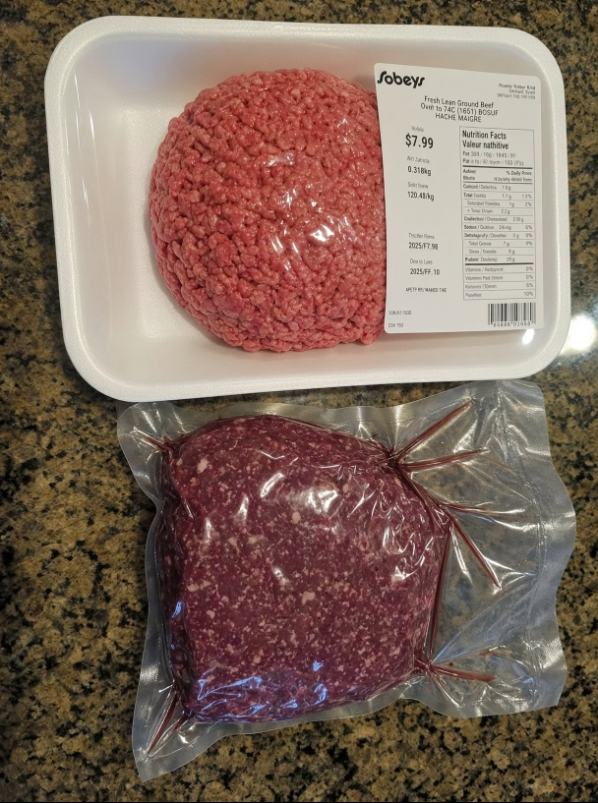
Fresh beef typically displays a bright cherry-red color, while fresh pork should appear pinkish-red. Poultry generally has a light pink appearance. Meat that looks excessively dark, gray, brown, or unusually pale may indicate aging, oxidation, or improper storage.
Texture also matters. Fresh meat should feel firm and spring back when touched. If the surface feels excessively slimy, sticky, or unusually soft, it may be a sign that spoilage has begun.
Fresh meat should have a natural color, firm texture, and proper refrigeration.
Packaging can reveal a great deal about product quality.
Consumers should inspect expiration dates, packaging integrity, and storage temperatures. Avoid packages that are swollen, leaking, torn, or filled with excessive liquid.
Proper refrigeration is equally important. Meat should be displayed in clean, well-maintained refrigerated cases. If refrigeration equipment appears malfunctioning or temperatures seem too warm, it may be best to purchase elsewhere.
Food safety specialists recommend transporting meat home promptly and refrigerating or freezing it as soon as possible.
Fresh meat should have little to no strong odor.
A sour, ammonia-like, or unpleasant smell is often one of the earliest signs that spoilage bacteria may be multiplying. While some packaging methods can temporarily affect odor, any persistent foul smell should be treated as a warning sign.
Consumers should never rely solely on appearance, since some forms of spoilage are not immediately visible.
Many processed meat products contain preservatives, flavor enhancers, and other additives designed to extend shelf life or improve appearance.
While approved additives are generally considered safe within regulated limits, consumers who prefer minimally processed foods may wish to read ingredient labels carefully. Products with shorter ingredient lists and clear labeling can make informed shopping decisions easier.
Reading labels and understanding storage practices can help consumers make informed choices.
Even high-quality meat can become unsafe if handled incorrectly after purchase.
Following these practices can significantly reduce the risk of foodborne illness.
Most meat sold through reputable retailers is safe when properly handled and stored. However, consumers should remain attentive to signs such as unusual color, unpleasant odor, damaged packaging, excessive liquid, or questionable storage conditions.
A few extra seconds spent inspecting meat before purchase can help protect both your health and your family’s well-being.


0 comments:
Post a Comment