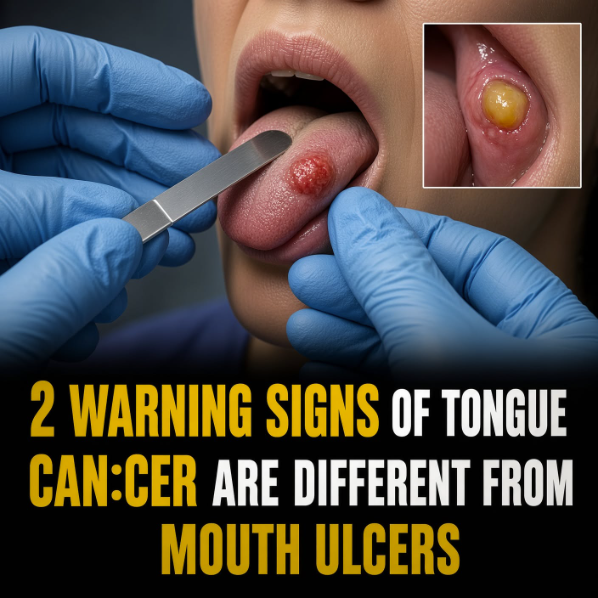
Most people experience a mouth ulcer at some point in their lives. These small sores can be painful and annoying, but they usually heal on their own within one or two weeks. However, not every sore on the tongue is harmless. In some cases, what appears to be a simple ulcer may actually be an early sign of tongue cancer.
Tongue cancer is a type of oral cancer that develops in the tissues of the tongue. Like many forms of cancer, early detection can make a significant difference in treatment outcomes. Unfortunately, the early symptoms are often subtle and easy to ignore, causing some patients to delay seeking medical attention.
One of the most important warning signs is a persistent sore that does not heal. While ordinary mouth ulcers typically improve within 7 to 14 days, a lesion related to tongue cancer may remain for several weeks or even months. The affected area may continue to grow, become more painful, or develop a hard edge around the sore. If a tongue ulcer remains present for more than two weeks despite normal care, it is worth discussing with a healthcare professional.
Another key warning sign is the presence of a firm lump or thickened area on the tongue. Unlike a common ulcer, which is usually soft and temporary, cancerous tissue may feel harder than the surrounding tissue. Some people describe the sensation as having a small bump, knot, or rough patch that does not disappear over time.
Additional symptoms can sometimes accompany these warning signs. These may include difficulty chewing, pain when swallowing, numbness in part of the tongue, unexplained bleeding, or changes in speech. Some individuals also notice a persistent red or white patch inside the mouth that does not go away.
It is important to remember that these symptoms do not automatically mean a person has cancer. Many oral conditions, infections, injuries, and inflammatory disorders can cause similar changes. However, persistent symptoms should never be ignored, especially when they continue for several weeks.
Several factors can increase the risk of tongue cancer. Tobacco use remains one of the most significant risk factors, including smoking cigarettes, cigars, or using smokeless tobacco products. Excessive alcohol consumption may also increase risk, particularly when combined with tobacco use. Human papillomavirus (HPV) infection has been linked to some oral cancers as well.
Maintaining good oral hygiene and scheduling regular dental checkups can help detect problems early. Dentists often identify suspicious lesions during routine examinations before patients even notice them. Regular screenings are especially important for individuals with known risk factors.
If you discover a sore, patch, or lump on your tongue that persists beyond two weeks, consider making an appointment with a dentist or doctor. Medical professionals may recommend a thorough examination and, in some cases, additional testing to determine the cause.
Awareness is one of the most effective tools in protecting your health. While most tongue sores are harmless and temporary, recognizing the difference between a common ulcer and a potentially serious condition can help ensure timely treatment when it matters most. Paying attention to persistent symptoms and seeking professional advice can provide peace of mind and support better long-term outcomes.
Early action does not guarantee a diagnosis of cancer, but it can greatly improve the chances of identifying and treating any underlying issue before it becomes more difficult to manage.


0 comments:
Post a Comment