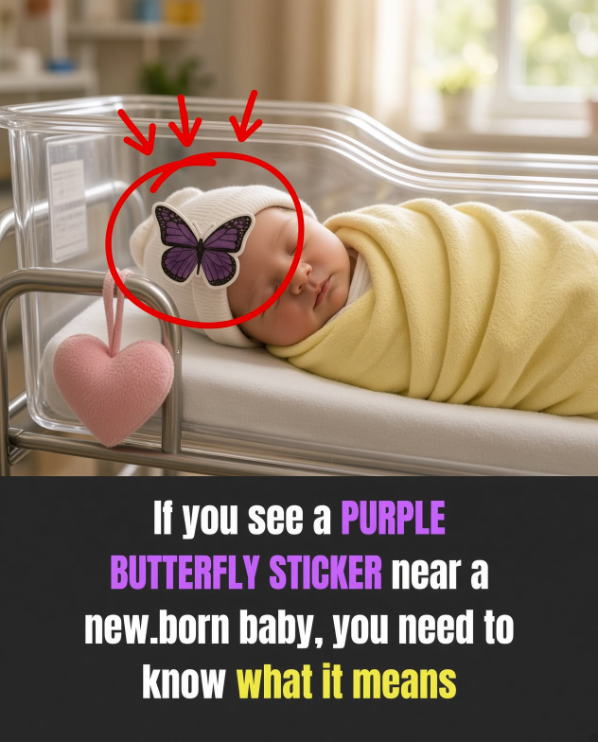
Ever seen a purple butterfly sticker on a crib? Here is why.
Hospitals can be overwhelming environments, filled with specialized equipment, flashing monitors, and a language of symbols designed to convey vital information quickly. In the neonatal intensive care unit (NICU) or maternity ward, where delicate little lives are closely monitored, visual cues play an indispensable role in patient care. Among these symbols, one quiet but deeply significant emblem has been gaining worldwide recognition: a simple, beautiful purple butterfly sticker placed gently onto a bassinet or incubator.
To a casual observer walking down the hospital corridor, this sticker might look like a simple piece of colorful decoration meant to brighten up the room. However, this tiny symbol carries a profound emotional weight and a crucial message for hospital staff, visiting families, and anyone passing through the ward. It is part of a global movement designed to foster empathy, understanding, and respectful communication during a family’s most tender moments.
Understanding the origin and meaning of this symbol is essential for promoting a supportive atmosphere in healthcare spaces. Today, we will explore the touching history behind the purple butterfly initiative, how it guides the behavior of medical professionals, and why this subtle visual cue makes a massive difference in supporting families navigating complex emotional journeys.
The purple butterfly symbol was born out of a deeply personal journey of a mother named Millie Smith. Expecting twins, she and her partner looked forward to the joy of bringing two new lives into the world together. However, during the pregnancy, medical examinations revealed a severe developmental complication affecting one of the babies, meaning that one of the twins would only survive for a very brief period after birth.
When the time came, both babies were delivered safely, and the family cherished the precious hours they were given to spend together. One of the twins required specialized medical attention in the intensive care ward. While sitting beside her recovering baby, Millie experienced a moment that would change her life and inspire a global movement.
A well-meaning mother of healthy twins in the same ward made a casual, cheerful remark to Millie, commenting on how incredibly lucky she was to have had twins. The comment was filled with pure kindness, but without knowing the tragic circumstance Millie was simultaneously navigating, the words inadvertently brought sharp emotional pain. Millie realized there was no visible way for the outside world to know her complete story, and she felt a strong urge to create a solution that would prevent other parents from facing similar unintentional heartbreaks.
Upon returning home, Millie founded an initiative to introduce a universal symbol for maternity wards and intensive care units. The choice of a purple butterfly was deeply deliberate: a butterfly represents beauty, delicate transformation, and a gentle spirit, while the color purple blends the calmness of blue with the strength of red.
When placed on a crib, bassinet, or door, the purple butterfly explicitly signals that this baby was part of a multiple pregnancy—such as twins, triplets, or more—where one or more of the siblings unfortunately did not survive the early stages of life. It serves as a silent, beautiful tribute to the sibling who is missing, keeping their memory closely woven into the birth story of the surviving child.
By introducing this simple visual anchor, families no longer have to explain their profound grief repeatedly to every new nurse, doctor, or visitor who enters the room. It allows the surviving baby to be celebrated fully while simultaneously respecting the quiet space of remembrance that the family requires.
In a busy hospital setting, doctors, nurses, and support staff shift frequently across demanding schedules. While medical charts hold comprehensive case histories, healthcare professionals need immediate, subconscious cues to adapt their bedside manner before they even open a patient’s file.
The purple butterfly acts as an instant communication tool for the entire care team. When a nurse spots the emblem on an incubator, they instantly understand that the emotional landscape in that room requires extra gentleness, care, and thoughtful language.
It prevents staff from making common, innocent mistakes, such as asking where the other twin is, bringing an extra set of standard blankets, or making lighthearted jokes about having a double handful of joy. Instead, it ensures that the medical team provides trauma-informed care, focusing on holistic emotional support alongside technical clinical procedures to help the family feel safe and understood.
The maternity ward is a shared space where families often interact, exchange stories, and support one another through the shared experience of welcoming new life. However, these interactions can sometimes become difficult when families are experiencing vastly different emotional realities side by side.
When other parents in the ward recognize the meaning of the purple butterfly, it transforms the way community interactions take place. It builds a bridge of quiet empathy. Instead of asking typical, probing questions about the birth experience, fellow parents learn to offer gentle smiles, supportive nods, or a respectful distance, allowing the grieving family to process their emotions without feeling isolated.
This shared understanding fosters a deeply compassionate environment within the hospital walls. It reminds everyone present that every birth story is unique, complex, and deserving of dignity, turning a standard medical floor into a space of collective healing and mutual respect.
What started as a single mother’s desire to protect her own peace of mind has blossomed into an international standard of compassionate healthcare. Today, the purple butterfly initiative has been officially adopted by hundreds of hospitals across the United Kingdom, the United States, Australia, Canada, and beyond.
Many healthcare networks now integrate the symbol into their standard orientation training for new maternity and neonatal staff. Foundations have been established to print and distribute these stickers, along with educational pamphlets, to hospitals entirely free of charge.
The growth of this movement highlights a beautiful shift in modern medicine toward prioritizing mental and emotional well-being alongside physical health. It shows that small, grassroots ideas can have a massive, lasting impact on the way humanity cares for one another during life’s most vulnerable moments.
If you find this initiative inspiring, there are several simple ways you can help spread awareness and support families navigating these delicate experiences:
The next time you walk past a hospital room or look into a neonatal unit and notice a small purple butterfly sticker attached to a bassinet, take a brief moment to reflect on its beautiful message. It stands as a symbol of immense love, honoring a delicate life that was cut short while surrounding the surviving family with a shield of quiet protection, understanding, and unconditional empathy.



0 comments:
Post a Comment