Most people think of their bed as the safest and cleanest place in the house. But if your sheets, pillowcases, and blankets are not washed regularly, your bed can slowly become a collection point for sweat, dead skin cells, body oils, dust mites, and other irritants.
For some people, the first warning may appear directly on the skin: itching, redness, bumps, or raised welts after waking up.
So what could happen when you keep sleeping in dirty bedding?
During sleep, the body naturally sheds dead skin cells and produces sweat and oil. These substances gradually build up on sheets and blankets.
For people with sensitive skin, repeated contact with accumulated irritants may contribute to itching, redness, or worsening skin irritation.
If you notice that your skin feels unusually itchy when you’re in bed or shortly after waking, your bedding may be one factor worth checking.
Dust mites are microscopic creatures that feed mainly on dead skin cells.
Beds, mattresses, pillows, and upholstered furniture can provide conditions where dust mites and their allergens accumulate.
Some people are particularly sensitive to dust mite allergens. Exposure may trigger symptoms such as sneezing, a stuffy nose, itchy eyes, or worsening eczema-like irritation.
If you sweat heavily at night, moisture can remain in bedding—especially in warm or humid rooms.
Combined with body oils and skin debris, this can create an environment where microorganisms may accumulate more easily.
This doesn’t mean dirty sheets automatically cause a serious infection. However, keeping bedding clean is an important part of basic skin and sleep hygiene.
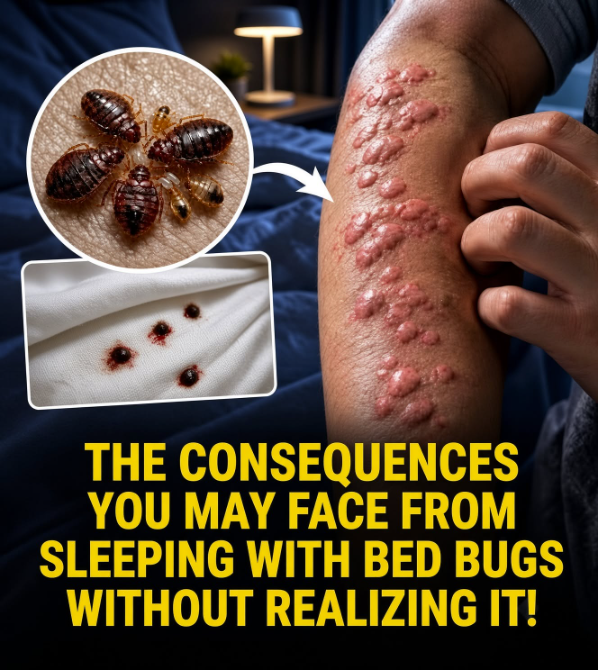
Raised, itchy welts like those shown in viral images are often blamed on “dirty sheets,” but the real cause can vary widely.
Hives, allergic reactions, insect bites, contact dermatitis, or other skin conditions can sometimes look similar.
Bedbugs are another possibility if itchy marks repeatedly appear after sleeping, particularly when accompanied by small blood spots, dark specks, or visible insects around mattress seams.
You cannot identify the cause of a rash from appearance alone.
For many households, washing bed sheets approximately once a week is a reasonable routine.
You may need to wash them more frequently if you sweat heavily, sleep with pets, have allergies, or spend long periods in bed.
Pillowcases may also need more frequent washing because they are in direct contact with facial oils, hair products, and sweat.
If itchy bumps or raised welts keep returning, spread quickly, become painful, or do not improve, consider seeking medical advice rather than assuming your bedding is the only cause.
And if swelling affects your lips, tongue, or throat, or you have difficulty breathing, seek emergency medical care immediately.
Your bed may look clean—but what builds up in your sheets over time isn’t always visible. Regular washing could make a bigger difference than you think.



0 comments:
Post a Comment