Top Ad 728x90

Sunday, October 18, 2026

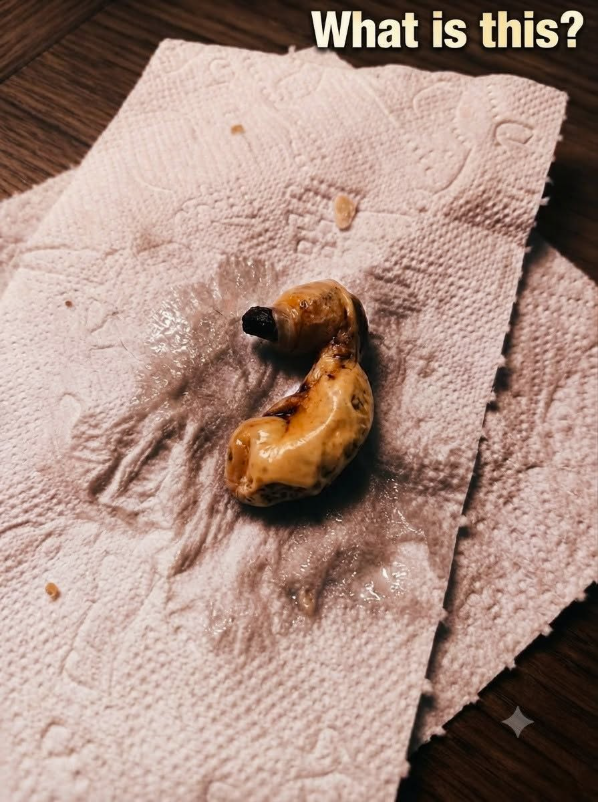
I found this strange thing

by

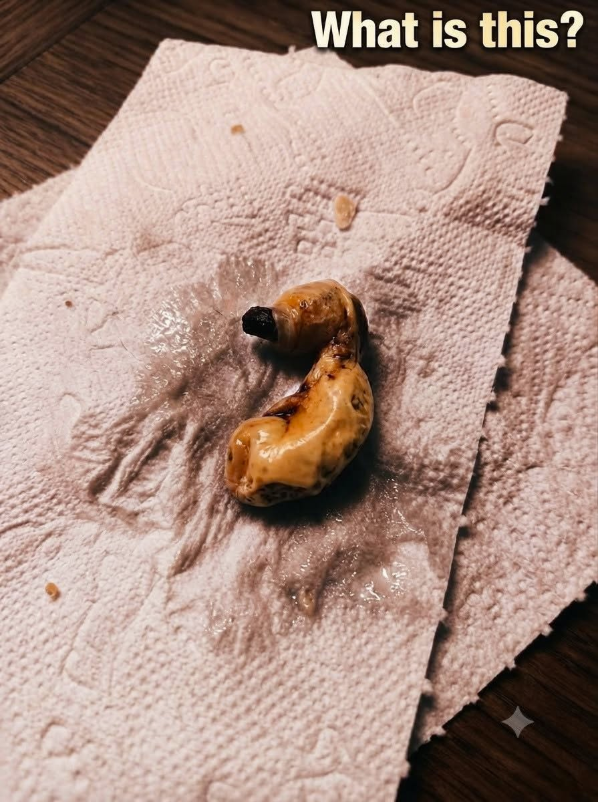
A single comment—“I think it’s alive”—completely shifts how people interpret an image. What was once just an unclear object suddenly becomes something threatening, and the brain begins reorganizing every detail to support that idea.

Curved shapes start to look like bodies. Dark areas resemble heads or eyes. Marks and textures become imagined veins or injuries. Even wet or shiny surfaces can feel organic. None of these interpretations were obvious at first; they are created by expectation, not reality.

This is a classic example of top-down processing, where what we believe influences what we see. The brain doesn’t just passively record images—it actively interprets them based on context, emotion, and suggestion.

That’s why the same blurry picture can produce completely different interpretations depending on what someone tells you. If you’re told it’s dangerous, your mind searches for threats. If you’re told it’s harmless, you stop looking for danger.

Humans are especially sensitive to this because we are built to detect patterns. This ability helps us recognize faces, animals, and threats quickly—but it also leads to false perceptions. We often see meaning in random shapes, a phenomenon known as pareidolia.

This is why people see faces in clouds, animals in rocks, or expressions in objects. The brain prefers meaningful structure over randomness, even when none exists.

When fear enters the equation, everything intensifies. Attention narrows, interpretations become more extreme, and harmless objects can suddenly feel dangerous. The emotional state essentially rewrites perception in real time.

That’s also why collective fear spreads so easily. In groups, people don’t just react to objects—they react to each other’s reactions. One frightened response can trigger a chain reaction, turning confusion into panic even without any real threat.

Online, the same mechanism scales up. A strange image can rapidly generate wild theories because dramatic explanations spread faster than simple ones. Mystery attracts attention, while ordinary explanations often get ignored.

In the end, the object is usually far less dramatic than the imagination suggests—often something ordinary like food residue, a shell, or debris distorted by lighting and perspective. The real lesson is not about the object itself, but about how easily perception can be shaped.

What feels like certainty in the moment is often just interpretation under the influence of suggestion, emotion, and expectation.

$65,000 3 Beds, 3 Baths

by

A strange house is waiting on a grassy hill, and nobody can quite decide whether it’s an incredible bargain—or a very expensive trap. Listed for just $65,000, the unusual property immediately stands out from everything around it. It looks less like an ordinary home and more like an observatory, movie set, or forgotten vision of the future.

The house offers three bedrooms, three bathrooms, and nearly 3,000 square feet of living space. Its most striking feature is the architecture: sweeping curved glass, rounded walls, and a tall cylindrical section that gives the property the appearance of a futuristic tower. It’s dramatic, unusual, and impossible to ignore.

Inside, however, the story becomes more complicated. The property is far from a polished, move-in-ready home. Instead, it feels like a project waiting for someone willing to take a serious risk. The rooms are spacious, the windows bring in plenty of natural light, and the unusual layout offers possibilities that a conventional house simply cannot provide.

The home’s Art Deco-inspired design gives it a personality rarely found in modern real estate. Its curves and geometric details suggest that whoever imagined it wanted something memorable rather than ordinary. But years of neglect have left that vision incomplete, creating a strange contrast between the ambitious exterior and the raw interior.

For the right buyer, that unfinished quality could be the biggest attraction. Rather than demolishing the unusual features, someone could restore the original character while updating the interior. Open spaces, dramatic lighting, modern finishes, and carefully preserved curves could transform the property into a genuine architectural statement.

But the $65,000 price tag comes with an obvious warning: the purchase price is only the beginning. Renovations, structural work, permits, utilities, and maintenance could quickly turn this bargain into a much larger investment. Anyone considering it would need plenty of imagination—and an even larger budget.

That is what makes the house so fascinating. It isn’t simply a cheap property waiting for a buyer. It is a gamble between preservation and reinvention, between seeing an unfinished disaster and recognizing hidden potential.

For now, the strange house remains perched above the quiet streets, its curved glass catching the light. It waits for someone brave enough to answer the question it seems to ask: tear it down, or finally give its forgotten dream a second life?

Discover the full story in

by

He thought one line would save him. One clever sentence to smooth over the alcohol, the swerving, the risk. Something sharp enough to turn the moment into a joke.

On a cold, empty road, flashing red and blue lights cut through the darkness. The officer stood firm, offering one final chance to prove he wasn’t a danger.

One sentence. One test. One decision that would define the night.

He stepped out unsteady, breath thick with alcohol, trying to mask the situation with humor. But the weight of it lingered in the air, heavier than his words.

The officer didn’t laugh. Each misstep, each slurred attempt at wit, peeled away the illusion that this was harmless. Reality stood there, undeniable and unforgiving.

The road was empty, but it could have been full. Families. Kids. Strangers just trying to make it home. That truth sat quietly between them.

When he finally delivered what he thought was the perfect line, he expected a reaction—maybe a smirk, maybe a warning, maybe mercy.

Instead, silence answered him. The kind that says everything without a word. The cuffs clicked into place, cold and final.

That moment wasn’t about punishment alone. It was a boundary, drawn between recklessness and consequence, between what almost happened and what could have been.

The night didn’t end with laughter or relief. It ended with a record, a hard lesson, and a line he could no longer pretend didn’t exist.

Because some mistakes don’t fade with time or excuses. They stay, marking the moment when everything could have gone differently—but didn’t.

11.59 Acres Lot 3 Bed

by

Nestled on an expansive 11.59-acre property, this unique retreat offers an exceptional combination of privacy, security, and innovative subterranean design. Surrounded by dense woodland, the secluded setting provides a rare sense of peace and isolation.

The three-bedroom, three-bathroom home is built directly into the natural contours of the hillside. Designed to blend with its surroundings, the earth-sheltered structure remains discreetly tucked into the landscape, creating a private retreat hidden from view.

Distinctive soft-blue concrete retaining walls frame the wide paved driveway and entry patio, adding character to the property’s rugged setting. Large glass doors and an overhead garage door create a seamless transition between the sheltered interior and outdoor areas.

The property also features practical outdoor gathering spaces, including an umbrella-covered seating area positioned alongside the retaining wall. These spaces provide comfortable spots for relaxing, entertaining, or enjoying the surrounding woodland.

Above the residence, the grassy hillside continues across much of the roof, helping the structure blend naturally into the terrain. Round skylight domes punctuate the landscape, bringing daylight into the subterranean rooms and creating a bright, inviting interior.

Large multi-pane windows along the exposed facade further enhance the home’s connection with the outdoors. Despite its underground construction, the living areas benefit from abundant natural light, open views, and spacious interiors designed for everyday comfort.

Built with reinforced concrete walls and ceilings, the structure incorporates heavy-duty engineering intended to withstand demanding conditions. Off-grid utility systems add another layer of independence, making essential amenities available even during unexpected disruptions.

Surrounded by more than 11 acres of natural terrain, the property offers ample opportunities for recreation, future expansion, or simply enjoying complete solitude. Combining modern living, resilient construction, and discreet architecture, this one-of-a-kind earth-sheltered retreat delivers privacy and functionality in an extraordinary setting.

Massive Eagle caught in Bro…

by

The discovery of a massive raptor near Brownsville, Texas, has stirred intense interest among scientists worldwide. Nicknamed the “Giant Eagle of the Border,” the bird far exceeds the size of any known North American raptor and challenges existing ideas about avian evolution.

Hikers near the U.S.–Mexico border first reported seeing an enormous shadow overhead. Experts later confirmed the bird’s extraordinary size, including a wingspan of nearly 10 feet—significantly larger than that of Bald or Golden Eagles.

Authorities and wildlife specialists coordinated a careful response. Using thermal imaging and GPS tracking, the team safely captured the bird without injury, demonstrating advanced low-stress wildlife management techniques.

The raptor was transported to a secure avian conservation center in Brownsville. There, scientists began extensive testing, including DNA sequencing and metabolic analysis, to determine whether the bird represents an unknown species, a rare subspecies, or an example of genetic gigantism.

Researchers are also studying its ecological impact. Feather analysis is being used to reconstruct diet and migration patterns, raising questions about how such a large predator remained undetected and what this means for regional ecosystem balance.

The discovery has already sparked economic interest. Local leaders are proposing a research sanctuary and ecotourism hub that combines conservation, education, and sustainable development in the Rio Grande Valley.

In academic circles, the bird is expected to inspire studies in anatomy, biomechanics, and flight physics. Comparisons are being drawn to extinct megafauna like New Zealand’s Haast’s Eagle, offering insights into the limits of flight in large raptors.

Beyond science, the Giant Eagle has captured public imagination. It symbolizes the hidden resilience of nature and reminds communities that even in a highly monitored world, remarkable discoveries are still possible.

Saturday, September 26, 2026

11.59 Acres Lot 3 Bed

by

Nestled on an expansive 11.59-acre property, this unique retreat offers an exceptional combination of privacy, security, and innovative subterranean design. Surrounded by dense woodland, the secluded setting provides a rare sense of peace and isolation.

The three-bedroom, three-bathroom home is built directly into the natural contours of the hillside. Designed to blend with its surroundings, the earth-sheltered structure remains discreetly tucked into the landscape, creating a private retreat hidden from view.

Distinctive soft-blue concrete retaining walls frame the wide paved driveway and entry patio, adding character to the property’s rugged setting. Large glass doors and an overhead garage door create a seamless transition between the sheltered interior and outdoor areas.

The property also features practical outdoor gathering spaces, including an umbrella-covered seating area positioned alongside the retaining wall. These spaces provide comfortable spots for relaxing, entertaining, or enjoying the surrounding woodland.

Above the residence, the grassy hillside continues across much of the roof, helping the structure blend naturally into the terrain. Round skylight domes punctuate the landscape, bringing daylight into the subterranean rooms and creating a bright, inviting interior.

Large multi-pane windows along the exposed facade further enhance the home’s connection with the outdoors. Despite its underground construction, the living areas benefit from abundant natural light, open views, and spacious interiors designed for everyday comfort.

Built with reinforced concrete walls and ceilings, the structure incorporates heavy-duty engineering intended to withstand demanding conditions. Off-grid utility systems add another layer of independence, making essential amenities available even during unexpected disruptions.

Surrounded by more than 11 acres of natural terrain, the property offers ample opportunities for recreation, future expansion, or simply enjoying complete solitude. Combining modern living, resilient construction, and discreet architecture, this one-of-a-kind earth-sheltered retreat delivers privacy and functionality in an extraordinary setting.

Don’t Cheat! Pick a Nail

by

This text presents a personality-style interpretation based on choosing one of six purple nail designs. Each design is said to reflect different emotional, social, and behavioral tendencies based on instinctive attraction rather than overthinking.

If you chose Nail 1, it suggests quiet confidence and restraint. The simple, structured design is linked to someone who values stability, self-control, and understated elegance. This type of person is seen as reliable, composed, and not driven by attention or validation.

If you chose Nail 2, it represents emotional depth and sensitivity. The heart detail is associated with romantic, intuitive individuals who prioritize feelings and connection. This choice reflects someone compassionate, expressive, and sometimes emotionally vulnerable in relationships.

If you chose Nail 3, it reflects balance and calm logic. The design suggests a grounded personality that values stability and avoids extremes. People drawn to it are described as thoughtful, steady, and emotionally controlled while still caring deeply.

If you chose Nail 4, it indicates boldness and ambition. The larger, eye-catching gem symbolizes confidence, leadership, and a desire to stand out. This type of person is portrayed as goal-driven, competitive, and comfortable being noticed.

If you chose Nail 5, it suggests practicality with refined taste. The structured design reflects logical thinking, planning, and long-term focus. At the same time, there is an appreciation for aesthetics, showing a balanced mix of discipline and style.

If you chose Nail 6, it reflects independence and subtle strength. The minimal design suggests a private, observant personality that values control over personal expression. These individuals are often seen as hard to read but internally confident and self-reliant.

Overall, the concept emphasizes that such choices are not literal definitions of personality, but reflections of instinct and preference. They highlight tendencies in how people balance emotion, logic, attention, and privacy in everyday life.

In the end, the purpose is not to label you, but to suggest that even small, instant preferences can reveal patterns in how you think, feel, and present yourself to the world.

$65,000 3 Beds, 3 Baths

by

A strange house is waiting on a grassy hill, and nobody can quite decide whether it’s an incredible bargain—or a very expensive trap. Listed for just $65,000, the unusual property immediately stands out from everything around it. It looks less like an ordinary home and more like an observatory, movie set, or forgotten vision of the future.

The house offers three bedrooms, three bathrooms, and nearly 3,000 square feet of living space. Its most striking feature is the architecture: sweeping curved glass, rounded walls, and a tall cylindrical section that gives the property the appearance of a futuristic tower. It’s dramatic, unusual, and impossible to ignore.

Inside, however, the story becomes more complicated. The property is far from a polished, move-in-ready home. Instead, it feels like a project waiting for someone willing to take a serious risk. The rooms are spacious, the windows bring in plenty of natural light, and the unusual layout offers possibilities that a conventional house simply cannot provide.

The home’s Art Deco-inspired design gives it a personality rarely found in modern real estate. Its curves and geometric details suggest that whoever imagined it wanted something memorable rather than ordinary. But years of neglect have left that vision incomplete, creating a strange contrast between the ambitious exterior and the raw interior.

For the right buyer, that unfinished quality could be the biggest attraction. Rather than demolishing the unusual features, someone could restore the original character while updating the interior. Open spaces, dramatic lighting, modern finishes, and carefully preserved curves could transform the property into a genuine architectural statement.

But the $65,000 price tag comes with an obvious warning: the purchase price is only the beginning. Renovations, structural work, permits, utilities, and maintenance could quickly turn this bargain into a much larger investment. Anyone considering it would need plenty of imagination—and an even larger budget.

That is what makes the house so fascinating. It isn’t simply a cheap property waiting for a buyer. It is a gamble between preservation and reinvention, between seeing an unfinished disaster and recognizing hidden potential.

For now, the strange house remains perched above the quiet streets, its curved glass catching the light. It waits for someone brave enough to answer the question it seems to ask: tear it down, or finally give its forgotten dream a second life?

I found this strange thing

by

A single comment—“I think it’s alive”—completely shifts how people interpret an image. What was once just an unclear object suddenly becomes something threatening, and the brain begins reorganizing every detail to support that idea.

Curved shapes start to look like bodies. Dark areas resemble heads or eyes. Marks and textures become imagined veins or injuries. Even wet or shiny surfaces can feel organic. None of these interpretations were obvious at first; they are created by expectation, not reality.

This is a classic example of top-down processing, where what we believe influences what we see. The brain doesn’t just passively record images—it actively interprets them based on context, emotion, and suggestion.

That’s why the same blurry picture can produce completely different interpretations depending on what someone tells you. If you’re told it’s dangerous, your mind searches for threats. If you’re told it’s harmless, you stop looking for danger.

Humans are especially sensitive to this because we are built to detect patterns. This ability helps us recognize faces, animals, and threats quickly—but it also leads to false perceptions. We often see meaning in random shapes, a phenomenon known as pareidolia.

This is why people see faces in clouds, animals in rocks, or expressions in objects. The brain prefers meaningful structure over randomness, even when none exists.

When fear enters the equation, everything intensifies. Attention narrows, interpretations become more extreme, and harmless objects can suddenly feel dangerous. The emotional state essentially rewrites perception in real time.

That’s also why collective fear spreads so easily. In groups, people don’t just react to objects—they react to each other’s reactions. One frightened response can trigger a chain reaction, turning confusion into panic even without any real threat.

Online, the same mechanism scales up. A strange image can rapidly generate wild theories because dramatic explanations spread faster than simple ones. Mystery attracts attention, while ordinary explanations often get ignored.

In the end, the object is usually far less dramatic than the imagination suggests—often something ordinary like food residue, a shell, or debris distorted by lighting and perspective. The real lesson is not about the object itself, but about how easily perception can be shaped.

What feels like certainty in the moment is often just interpretation under the influence of suggestion, emotion, and expectation.

Built in 1945 4 Bedrooms

by

Once designed to store the machinery of war, these buried concrete bunkers near Edgemont in the Black Hills now serve a very different purpose. From above, they appear as quiet grassy mounds blending into the landscape, hiding their unusual second life.

These structures were once part of the Black Hills Army Depot, built to safely contain ammunition and military supplies. Their original purpose was protection and secrecy, but today that same design has made them attractive to people seeking unusual homes.

Inside, the transformation is striking. What used to be industrial storage spaces have been converted into private residences with kitchens, bedrooms, and living areas. Thick reinforced concrete walls now frame daily life instead of wartime logistics.

The bunkers offer a level of isolation that is difficult to find elsewhere. Residents value the silence, the dark skies, and the sense of separation from crowded modern living. For many, it feels like intentional withdrawal rather than isolation imposed by circumstance.

However, living underground is not simple. Moisture control, ventilation, and temperature regulation require constant attention. Distance from towns and services also means residents must be highly self-sufficient and prepared for unexpected challenges.

Despite these difficulties, the appeal is strong for those drawn to adaptive reuse and unconventional housing. The combination of history and privacy creates a lifestyle that feels both rugged and deeply personal, shaped by the structure itself.

The original military purpose of the bunkers adds emotional weight to the experience. Living inside them feels like inhabiting a piece of history that has been carefully repurposed, where past conflict has been replaced with quiet domestic life.

In the end, these underground homes represent reinvention at its most literal. What was once built for war now shelters everyday families, turning spaces of destruction into places of shelter, reflection, and unexpected peace.

Friday, September 25, 2026

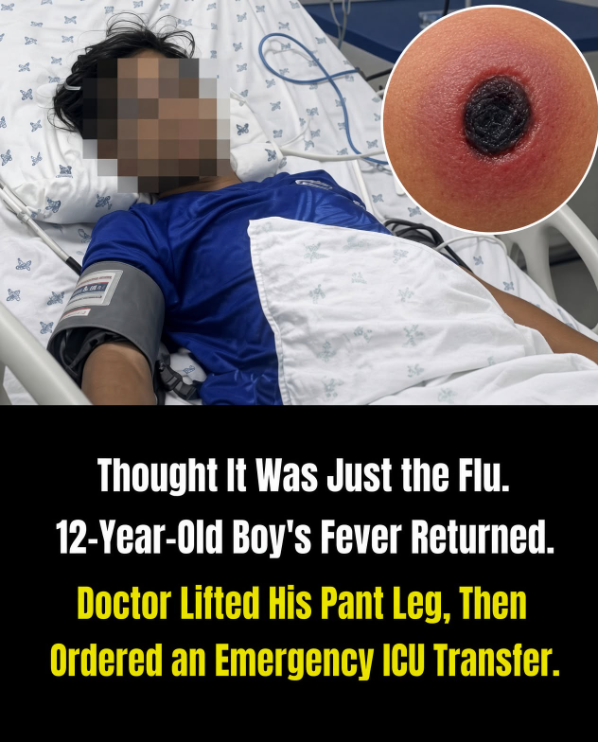
Doctor Lifted His Pant Leg

by

What seemed like an ordinary case of influenza nearly turned into a tragedy for a 12-year-old boy whose life was saved thanks to a doctor’s quick thinking and attention to an unusual symptom.

The case, shared by Taiwanese pediatrician Dr. Luo Shixuan, serves as a reminder that not every recurring fever is “just the flu.”

The boy had recently recovered from a cold and his fever had subsided. However, not long afterward, the fever suddenly returned and became severe again.

Because influenza was circulating widely at the time, the symptoms initially appeared consistent with a typical flu infection. But during the examination, Dr. Luo noticed something that concerned him.

The child seemed unusually weak and exhausted.

Rather than immediately assuming it was influenza, the doctor asked the boy’s mother whether he had complained about any other symptoms.

That’s when she remembered that her son had mentioned pain in one of his legs earlier that morning.

Dr. Luo asked the boy to roll up his pant leg.

What he saw immediately raised alarm bells.

The boy’s shin was swollen, red, and extremely tender to the touch. The appearance suggested that something much more serious than influenza might be developing beneath the surface.

Several dangerous conditions came to the doctor’s mind, including severe soft-tissue infection and other life-threatening bacterial illnesses.

Without waiting for flu testing, he made a decision.

He urgently instructed the family to go directly to the emergency department of a major hospital.

Upon arrival at the hospital, doctors discovered that the boy’s blood pressure had dropped to a critically low level.

He was immediately treated with powerful antibiotics and admitted to the intensive care unit (ICU).

The child remained in intensive care for three days as doctors worked to stabilize his condition.

Fortunately, treatment was started in time, and he eventually recovered.

Emergency physicians later believed the boy’s condition was consistent with Toxic Shock Syndrome (TSS), a rare but potentially deadly complication caused by bacterial toxins entering the bloodstream.

The condition can progress rapidly and may lead to:

Without prompt treatment, the consequences can be fatal.

Reflecting on the case, Dr. Luo emphasized that medicine is not only about laboratory tests and technology.

Sometimes, experience, careful observation, and asking one extra question can reveal a life-threatening condition that might otherwise be missed.

Had the boy simply been diagnosed with influenza and sent home, the outcome could have been very different.

A recurring fever should never be ignored, especially when accompanied by unusual symptoms such as severe leg pain, swelling, redness, extreme fatigue, or signs that a child appears much sicker than expected.

In this case, a simple examination of a painful leg helped uncover a potentially deadly infection and may have saved a young boy’s life.

This image knows your personality—what

by

Have you ever wondered why two people can look at the same image and see two completely different things? This isn’t just a trick of the light; it’s a deep dive into the psychology of perception. Our brains are wired to prioritize information based on our current emotional state, past experiences, and core personality traits.

When you look at a complex optical illusion like this one—composed of a lion, birds, fish, a snake, and even an eagle—your subconscious mind “picks” the animal that resonates most with your internal frequency. This phenomenon is often linked to the Rorschach effect, where ambiguous images serve as a mirror for the viewer’s soul.

In this guide, we will break down what each animal signifies. Whether you spotted the king of the jungle or a soaring eagle first, your choice reveals a fascinating “hidden flaw” that might be holding you back from your full potential.

If the Lion at the top of the head was the first thing you noticed, you possess a powerful, commanding presence. You are likely a natural leader, someone who isn’t afraid to take charge of a situation. However, the “worst flaw” associated with the lion is The Need for Control.

Impatience: You want results yesterday. Because you see the big picture so clearly, you often get frustrated with those who move slower than you.

The Weight of Responsibility: You feel like everything rests on your shoulders, which can lead to burnout.

Stubbornness: Once you’ve set your mind on a path, it’s nearly impossible to sway you, even if the path is no longer viable.

The Growth Tip: Practice the art of delegation. Trusting others doesn’t diminish your power; it expands your reach.

Did your eyes land on the Eagle (forming the cheek and eye area)? If so, you are a visionary. You have “eagle eyes” for detail and a high-altitude perspective on life. Your flaw? High-Functioning Perfectionism.

Critical Nature: You have high standards for yourself, but you also project those impossible standards onto others.

Detachment: You may sometimes seem “above it all,” leading people to feel you are cold or unapproachable.

Over-Analysis: You might spend so much time looking for the “perfect” opportunity that you miss the “good” ones right in front of you.

The Growth Tip: Remember that “done is better than perfect.” Allowing yourself to be vulnerable is a sign of strength, not weakness.

If the smaller Birds scattered throughout the face (forming the eyebrows and nose) caught your eye first, you are a dreamer and a creative spirit. You value freedom above all else. Your flaw is Inconsistency.

Avoidance of Conflict: Like a bird, you tend to fly away when things get difficult or emotionally heavy.

Lack of Focus: You have “shiny object syndrome,” jumping from one project to another without finishing the first.

Emotional Fragility: You are highly sensitive to the energy around you, which can leave you feeling drained in social settings.

The Growth Tip: Practice grounding exercises. Structure and routine are not cages; they are the foundations that allow your creativity to truly soar.

Spotted the Fish (forming the nose and eye bridge) first? You are likely a very intuitive, calm, and empathetic person. You swim through the currents of life with a certain grace. Your flaw is Extreme Idealism.

Naivety: You want to believe the best in everyone, which can unfortunately lead to you being taken advantage of.

Escapism: When reality becomes too harsh, you “dive deep” into your own world, ignoring the problems that need solving.

Passivity: You might wait for things to happen to you rather than making them happen.

The Growth Tip: It is okay to be kind, but ensure your kindness has boundaries. Learn to say “no” without feeling guilty.

The Snake (nestled near the chin/neck area) is often associated with wisdom and transformation. If this was your first find, you are incredibly resourceful and observant. Your flaw? A Tendency Toward Guardedness.

Trust Issues: You rarely show your hand. You are constantly scanning for threats, which makes it hard for people to get close to you.

Sharp Tongue: When you feel cornered, you might “bite” with words that leave a lasting sting.

Over-Thinking: You analyze every interaction for hidden meanings, often creating problems where none exist.

The Growth Tip: True wisdom involves knowing when to shed your skin and let people see the real you. Vulnerability is the only bridge to deep connection.

In psychology, our “flaws” are often just our greatest strengths pushed to an extreme. The Lion’s control is also his leadership; the Fish’s idealism is also their compassion. By identifying which animal your brain prioritized, you aren’t just finding a weakness—you are finding your next area of personal evolution.

What did you see first? Does the description match how you feel in your daily life? Share your results in the comments below and see what your friends discovered about themselves!

Note: These personality tests are designed for entertainment and self-reflection. While they offer fascinating insights into the human mind, they are not a substitute for professional psychological evaluation. Use them as a fun tool to spark conversation and look at yourself through a different lens.

If you spot a purple

by

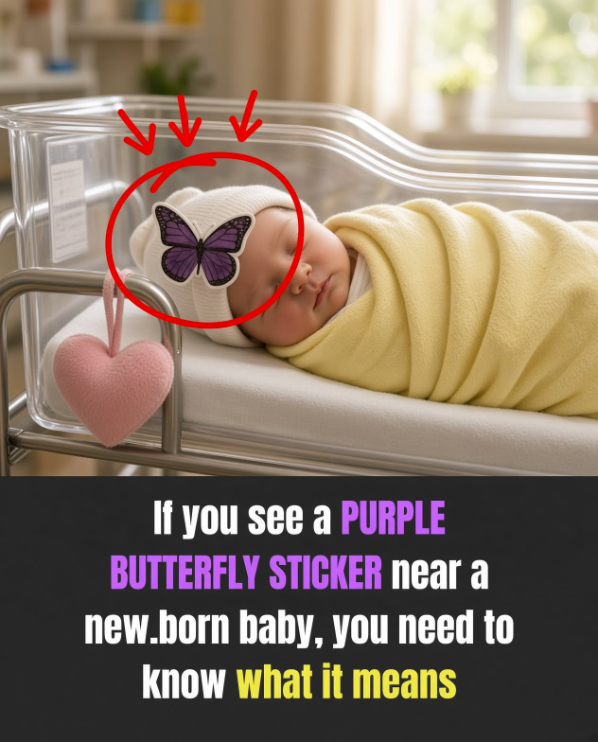
Ever seen a purple butterfly sticker on a crib? Here is why.

Hospitals can be overwhelming environments, filled with specialized equipment, flashing monitors, and a language of symbols designed to convey vital information quickly. In the neonatal intensive care unit (NICU) or maternity ward, where delicate little lives are closely monitored, visual cues play an indispensable role in patient care. Among these symbols, one quiet but deeply significant emblem has been gaining worldwide recognition: a simple, beautiful purple butterfly sticker placed gently onto a bassinet or incubator.

To a casual observer walking down the hospital corridor, this sticker might look like a simple piece of colorful decoration meant to brighten up the room. However, this tiny symbol carries a profound emotional weight and a crucial message for hospital staff, visiting families, and anyone passing through the ward. It is part of a global movement designed to foster empathy, understanding, and respectful communication during a family’s most tender moments.

Understanding the origin and meaning of this symbol is essential for promoting a supportive atmosphere in healthcare spaces. Today, we will explore the touching history behind the purple butterfly initiative, how it guides the behavior of medical professionals, and why this subtle visual cue makes a massive difference in supporting families navigating complex emotional journeys.

The purple butterfly symbol was born out of a deeply personal journey of a mother named Millie Smith. Expecting twins, she and her partner looked forward to the joy of bringing two new lives into the world together. However, during the pregnancy, medical examinations revealed a severe developmental complication affecting one of the babies, meaning that one of the twins would only survive for a very brief period after birth.

When the time came, both babies were delivered safely, and the family cherished the precious hours they were given to spend together. One of the twins required specialized medical attention in the intensive care ward. While sitting beside her recovering baby, Millie experienced a moment that would change her life and inspire a global movement.

A well-meaning mother of healthy twins in the same ward made a casual, cheerful remark to Millie, commenting on how incredibly lucky she was to have had twins. The comment was filled with pure kindness, but without knowing the tragic circumstance Millie was simultaneously navigating, the words inadvertently brought sharp emotional pain. Millie realized there was no visible way for the outside world to know her complete story, and she felt a strong urge to create a solution that would prevent other parents from facing similar unintentional heartbreaks.

Upon returning home, Millie founded an initiative to introduce a universal symbol for maternity wards and intensive care units. The choice of a purple butterfly was deeply deliberate: a butterfly represents beauty, delicate transformation, and a gentle spirit, while the color purple blends the calmness of blue with the strength of red.

When placed on a crib, bassinet, or door, the purple butterfly explicitly signals that this baby was part of a multiple pregnancy—such as twins, triplets, or more—where one or more of the siblings unfortunately did not survive the early stages of life. It serves as a silent, beautiful tribute to the sibling who is missing, keeping their memory closely woven into the birth story of the surviving child.

By introducing this simple visual anchor, families no longer have to explain their profound grief repeatedly to every new nurse, doctor, or visitor who enters the room. It allows the surviving baby to be celebrated fully while simultaneously respecting the quiet space of remembrance that the family requires.

In a busy hospital setting, doctors, nurses, and support staff shift frequently across demanding schedules. While medical charts hold comprehensive case histories, healthcare professionals need immediate, subconscious cues to adapt their bedside manner before they even open a patient’s file.

The purple butterfly acts as an instant communication tool for the entire care team. When a nurse spots the emblem on an incubator, they instantly understand that the emotional landscape in that room requires extra gentleness, care, and thoughtful language.

It prevents staff from making common, innocent mistakes, such as asking where the other twin is, bringing an extra set of standard blankets, or making lighthearted jokes about having a double handful of joy. Instead, it ensures that the medical team provides trauma-informed care, focusing on holistic emotional support alongside technical clinical procedures to help the family feel safe and understood.

The maternity ward is a shared space where families often interact, exchange stories, and support one another through the shared experience of welcoming new life. However, these interactions can sometimes become difficult when families are experiencing vastly different emotional realities side by side.

When other parents in the ward recognize the meaning of the purple butterfly, it transforms the way community interactions take place. It builds a bridge of quiet empathy. Instead of asking typical, probing questions about the birth experience, fellow parents learn to offer gentle smiles, supportive nods, or a respectful distance, allowing the grieving family to process their emotions without feeling isolated.

This shared understanding fosters a deeply compassionate environment within the hospital walls. It reminds everyone present that every birth story is unique, complex, and deserving of dignity, turning a standard medical floor into a space of collective healing and mutual respect.

What started as a single mother’s desire to protect her own peace of mind has blossomed into an international standard of compassionate healthcare. Today, the purple butterfly initiative has been officially adopted by hundreds of hospitals across the United Kingdom, the United States, Australia, Canada, and beyond.

Many healthcare networks now integrate the symbol into their standard orientation training for new maternity and neonatal staff. Foundations have been established to print and distribute these stickers, along with educational pamphlets, to hospitals entirely free of charge.

The growth of this movement highlights a beautiful shift in modern medicine toward prioritizing mental and emotional well-being alongside physical health. It shows that small, grassroots ideas can have a massive, lasting impact on the way humanity cares for one another during life’s most vulnerable moments.

If you find this initiative inspiring, there are several simple ways you can help spread awareness and support families navigating these delicate experiences:

The next time you walk past a hospital room or look into a neonatal unit and notice a small purple butterfly sticker attached to a bassinet, take a brief moment to reflect on its beautiful message. It stands as a symbol of immense love, honoring a delicate life that was cut short while surrounding the surviving family with a shield of quiet protection, understanding, and unconditional empathy.

These Are the Consequences of

by

Most people think of their bed as the safest and cleanest place in the house. But if your sheets, pillowcases, and blankets are not washed regularly, your bed can slowly become a collection point for sweat, dead skin cells, body oils, dust mites, and other irritants.

For some people, the first warning may appear directly on the skin: itching, redness, bumps, or raised welts after waking up.

So what could happen when you keep sleeping in dirty bedding?

During sleep, the body naturally sheds dead skin cells and produces sweat and oil. These substances gradually build up on sheets and blankets.

For people with sensitive skin, repeated contact with accumulated irritants may contribute to itching, redness, or worsening skin irritation.

If you notice that your skin feels unusually itchy when you’re in bed or shortly after waking, your bedding may be one factor worth checking.

Dust mites are microscopic creatures that feed mainly on dead skin cells.

Beds, mattresses, pillows, and upholstered furniture can provide conditions where dust mites and their allergens accumulate.

Some people are particularly sensitive to dust mite allergens. Exposure may trigger symptoms such as sneezing, a stuffy nose, itchy eyes, or worsening eczema-like irritation.

If you sweat heavily at night, moisture can remain in bedding—especially in warm or humid rooms.

Combined with body oils and skin debris, this can create an environment where microorganisms may accumulate more easily.

This doesn’t mean dirty sheets automatically cause a serious infection. However, keeping bedding clean is an important part of basic skin and sleep hygiene.

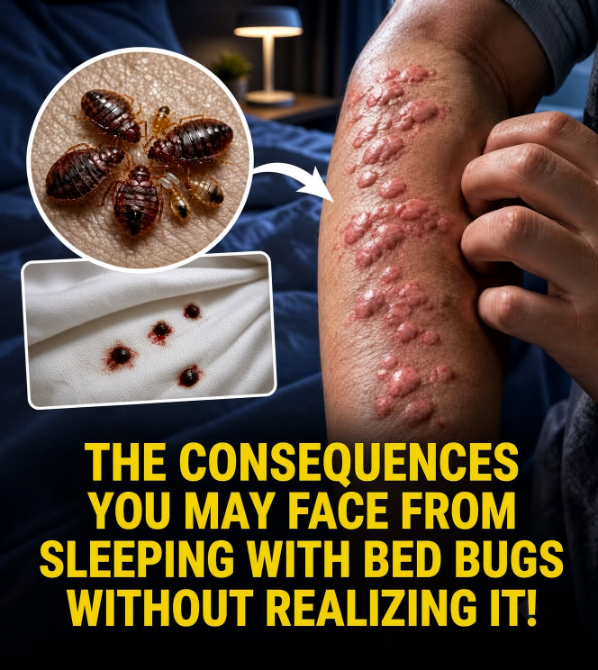
Raised, itchy welts like those shown in viral images are often blamed on “dirty sheets,” but the real cause can vary widely.

Hives, allergic reactions, insect bites, contact dermatitis, or other skin conditions can sometimes look similar.

Bedbugs are another possibility if itchy marks repeatedly appear after sleeping, particularly when accompanied by small blood spots, dark specks, or visible insects around mattress seams.

You cannot identify the cause of a rash from appearance alone.

For many households, washing bed sheets approximately once a week is a reasonable routine.

You may need to wash them more frequently if you sweat heavily, sleep with pets, have allergies, or spend long periods in bed.

Pillowcases may also need more frequent washing because they are in direct contact with facial oils, hair products, and sweat.

If itchy bumps or raised welts keep returning, spread quickly, become painful, or do not improve, consider seeking medical advice rather than assuming your bedding is the only cause.

And if swelling affects your lips, tongue, or throat, or you have difficulty breathing, seek emergency medical care immediately.

Your bed may look clean—but what builds up in your sheets over time isn’t always visible. Regular washing could make a bigger difference than you think.

Doctors Warn This “Bitter Vegetable”

by

A recent series of food poisoning cases has shocked many people after doctors warned that a common vegetable with an unusual bitter taste may contain toxins so dangerous that some experts compare its toxicity to arsenic.

According to reports, an entire family of four was hospitalized after eating a meal containing bitter gourd-like vegetables. Shortly after eating, the adults began suffering from:

Doctors later diagnosed the family with acute poisoning linked to toxic compounds found in abnormally bitter vegetables.

One of the most serious cases involved a man in Fuzhou, China, who nearly died after eating a bitter-tasting squash. Within hours, he experienced violent vomiting, repeated fainting, dangerously low blood pressure, and signs of kidney damage. Doctors suspected poisoning from cucurbitacin, a naturally occurring toxic compound that can remain dangerous even after cooking.

Medical experts explain that cucurbitacin is found in certain vegetables from the gourd family, including:

Under abnormal growing conditions, cross-pollination, or natural genetic changes, some vegetables may develop extremely high levels of this toxin, causing a strong bitter taste.

cooking does not destroy the toxin.

Doctors warn that many people mistakenly believe bitterness is harmless or even “healthy,” leading them to continue eating despite the unusual taste.

Health specialists say symptoms of poisoning may include:

Children, elderly people, and individuals with weak digestive systems may face even higher risks.

Experts recommend immediately throwing away any vegetable that tastes abnormally bitter, especially:

if a vegetable tastes strongly bitter from the first bite, do not continue eating it — even if it looks completely normal.

In cases where symptoms appear after eating bitter vegetables, people should:

Food safety experts emphasize that while these poisoning cases are relatively rare, they can become life-threatening when ignored or mistaken for ordinary stomach problems.

It’s in almost every kitchen

by

When a young couple, both only 29 years old, were diagnosed with liver cancer within a short period of each other, doctors began searching for possible lifestyle and environmental factors that could have contributed to their condition. While cancer is often linked to genetics, diet, alcohol consumption, viral infections, and other well-established risk factors, this case sparked a broader discussion about everyday household items that many people rarely question.

Among the concerns raised by health experts was the improper use and storage of large reusable drinking water containers, which remain common in many homes. These containers are convenient and economical, but if they are reused for long periods without proper cleaning or are exposed to excessive heat and sunlight, they may become a source of contamination.

Experts explain that plastic water containers can deteriorate over time. Small scratches on the inner surface may create spaces where bacteria and microorganisms can accumulate. If containers are not sanitized regularly, microbial growth may increase, especially in warm environments. Although this does not directly cause liver cancer, long-term exposure to contaminated water may negatively affect overall health.

Another concern involves the storage conditions of drinking water. Many households place large water bottles outdoors, on balconies, or near windows where they are exposed to direct sunlight. High temperatures can accelerate the degradation of plastic materials and affect water quality. Health authorities generally recommend storing drinking water in cool, shaded areas and replacing damaged containers promptly.

Doctors emphasize that liver cancer is a complex disease. In most cases, factors such as hepatitis B, hepatitis C, excessive alcohol consumption, fatty liver disease, obesity, smoking, and exposure to environmental toxins play a much larger role than any single household item. Nevertheless, maintaining clean drinking water practices remains an important part of protecting long-term health.

Proper handling of reusable water containers includes washing them regularly, inspecting them for cracks or damage, and purchasing drinking water from reputable suppliers. Families should also avoid reusing containers beyond their intended lifespan. If a bottle appears cloudy, scratched, or damaged, replacing it is often the safest choice.

Hydration itself remains essential. Drinking sufficient clean water supports kidney function, digestion, circulation, and overall well-being. The goal is not to avoid reusable water containers entirely but to ensure they are used safely and maintained properly.

Health experts encourage regular medical checkups, especially for individuals with risk factors for liver disease. Early detection dramatically improves treatment outcomes. Symptoms such as persistent fatigue, unexplained weight loss, abdominal discomfort, jaundice, or loss of appetite should never be ignored.

The story of this young couple serves as a reminder that health is influenced by many small daily habits. While no single object can be blamed for every illness, paying attention to food safety, water quality, hygiene, and preventive healthcare can help reduce risks and promote a healthier future.

Rather than causing unnecessary fear, this case highlights the importance of awareness. By adopting safe storage practices and maintaining healthy lifestyles, families can take simple yet meaningful steps toward protecting their health for years to come.

This is the disease that

by

Learn how to recognize shingles early and care for your skin safely.

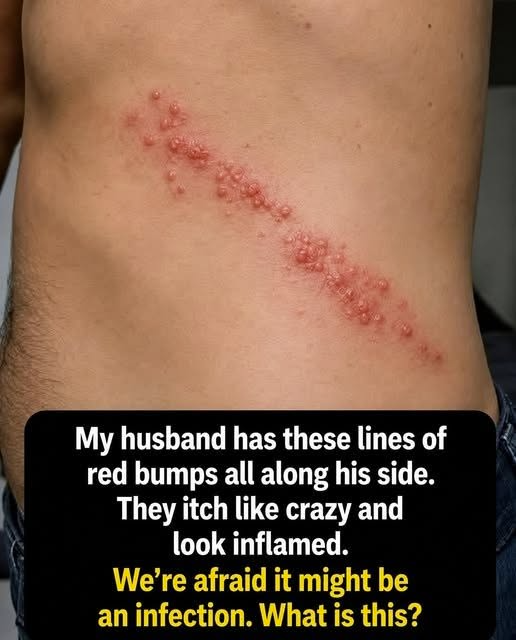
Unexpected skin reactions can be deeply unsettling, especially when a sudden cluster of painful red bumps appears across one side of the body. Many people mistakenly assume they are dealing with simple bug bites, contact dermatitis, or a severe allergic reaction. However, a localized, painful rash following a distinct linear path along the torso, back, or waist is often a classic presentation of shingles, also known medically as herpes zoster.

Shingles is a distinct reactivation of a nerve infection that remains dormant inside the body for years. Recognizing the early indicators allows individuals to seek prompt evaluation and manage symptoms comfortably before the discomfort escalates.

To understand how this condition develops, one must look at the varicella-zoster virus, which is the exact same underlying factor responsible for childhood chickenpox.

When a person recovers from chickenpox, the virus does not leave the body completely. Instead, it quietly settles into nerve tissue near the spinal cord and brain where it can remain inactive for decades.

Over time, factors such as temporary stress, fatigue, physical exhaustion, or a natural weakening of the body’s natural defenses can prompt the virus to wake up. Once reactivated, it travels along nerve pathways directly to the outer layer of the skin, causing a characteristic line or band of raised, sensitive blisters.

Unlike generalized rashes that spread randomly over the entire body, shingles usually appears on only one side—often wrapping around the left or right side of the waist, chest, or ribcage.

During the early warning phase, which typically lasts from one to five days, individuals often experience a localized burning sensation, tingling, numbness, or extreme hypersensitivity to light touch.

As the active rash phase begins over the next week or two, clusters of small red bumps emerge along the affected nerve path. These bumps quickly evolve into fluid-filled blisters that itch or ache intensely.

Finally, during the healing phase, the blisters naturally begin to dry out over the course of several weeks. They gradually crust over into scabs, fall off naturally, and slowly fade away as the skin restores itself.

Managing skin discomfort at home involves protecting the area from further irritation while keeping the skin clean, cool, and calm.

Applying a cool, damp cloth to the affected area for fifteen minutes several times a day can help soothe heat and ease surface discomfort.

It is equally important to wash the skin daily using mild, fragrance-free soap and lukewarm water, making sure to avoid harsh chemical cleansers or aggressive scrubbing.

Wearing soft, loose-fitting cotton clothing helps minimize friction against sensitive skin, allowing the area to breathe. Plain calamine lotion can also be applied lightly to soothe lingering itchiness once the blisters begin to dry out naturally.

Early evaluation by a qualified health professional is crucial for managing discomfort effectively. Seeking advice within the first few days of rash onset often helps minimize the overall duration and intensity of the skin reaction.

Always consult a healthcare practitioner promptly if the rash appears anywhere near the eyes or face, covers a very large surface area, or causes extreme discomfort that disrupts sleep and daily routines. Proper care ensures a smoother recovery and keeps your skin feeling healthy and protected.

Many People Wear These Colors

by

Losing someone you love is one of life’s most difficult experiences. During the days following a funeral, families often focus on cleaning up, organizing belongings, and putting everything back in order.

In the process, some items from the funeral may seem unimportant or disposable.

However, in many cultures, people believe that certain funeral items should be kept with care—not because they bring good or bad luck, but because they carry deep emotional, cultural, or historical significance.

Here are four things many families choose to preserve after a loved one’s funeral.

The portrait displayed during a funeral often becomes one of the most treasured reminders of a loved one.

Many families place the photo in a respectful location at home as a way of remembering the person’s life and honoring their memory.

Rather than storing it away or throwing it out, the photograph can become part of family history for future generations.

Cards, letters, and written messages from friends and relatives may not seem important in the moment.

But months or even years later, many families find comfort in reading the heartfelt words people shared during a difficult time.

These messages often become lasting reminders that they were not alone in their grief.

Funeral booklets usually include photographs, meaningful quotations, important dates, and memories of the deceased.

Although they may appear to be simple printed materials, they often become valuable keepsakes that preserve a family’s history.

Many people choose to keep one copy in a memory box or with family records.

Flowers and decorations naturally fade with time, but some small personal items may carry tremendous emotional value.

It could be a handwritten note, a favorite piece of jewelry, a watch, a book, or another object closely associated with the person who has passed away.

These keepsakes often help family members feel connected to cherished memories long after the funeral has ended.

Practices differ greatly across cultures and religions.

Some families choose to keep certain ceremonial items, while others respectfully dispose of them according to their traditions or religious customs.

There is no single rule that applies to everyone.

The most important thing is to follow the customs that are meaningful to your family and to handle funeral items with respect.

The objects themselves are not what preserve someone’s memory.

The love, stories, and moments shared with that person are what remain in our hearts.

A photograph may fade, flowers may wither, and paper may age—but the memories we choose to carry forward are often the greatest keepsake of all.

Sometimes, the smallest item left behind can become the one that brings the greatest comfort years later.

Don't Ignore Nighttime Leg Cramps

by

Many people have experienced the sudden, sharp pain of a leg cramp in the middle of the night. One moment you’re sleeping peacefully, and the next you’re awake with an intense tightening of the calf, foot, or thigh muscles. While nighttime leg cramps are usually harmless, frequent episodes can disrupt sleep and, in some cases, may point to an underlying health issue. Understanding the possible causes and knowing how to respond can help reduce both the pain and the chances of future cramps.

A nighttime leg cramp occurs when a muscle contracts suddenly and involuntarily. The calf is the most common location, although cramps can also affect the feet and thighs. The pain may last from a few seconds to several minutes, and the affected muscle can remain sore afterward.

There is no single cause of nighttime leg cramps. Dehydration is one possible contributor, especially after exercise or spending long periods in hot weather. Muscles also rely on minerals such as potassium, magnesium, and calcium to function normally. While true mineral deficiencies are not always the cause, maintaining a balanced diet and staying hydrated may help reduce the likelihood of cramps.

Another common factor is muscle fatigue. Standing for long hours, exercising intensely, or sitting in one position for extended periods can increase the risk. Older adults also tend to experience leg cramps more frequently because muscles naturally lose flexibility with age.

Certain medical conditions and medications may also play a role. Diabetes, peripheral artery disease, kidney disease, thyroid disorders, and some neurological conditions have all been associated with muscle cramps. In addition, some medications—including certain diuretics and cholesterol-lowering drugs—may contribute in some individuals. If cramps begin shortly after starting a new medication, discussing the issue with a healthcare provider is a good idea.

Fortunately, there are several simple techniques that often provide immediate relief. Gently stretching the affected muscle is usually the most effective approach. For a calf cramp, straighten the leg and pull the toes toward the shin. Walking carefully or massaging the muscle may also help it relax. Some people find that applying a warm towel or heating pad eases lingering discomfort, while others prefer a cool pack if soreness persists.

Preventing future cramps often involves a combination of healthy habits. Drinking enough water throughout the day, stretching the calves before bedtime, wearing supportive footwear during the day, and maintaining regular physical activity may reduce the frequency of episodes. A balanced diet that includes fruits, vegetables, dairy products, legumes, and whole grains provides many of the nutrients muscles need to function properly.

Although nighttime leg cramps are usually not dangerous, there are situations where medical evaluation is important. Seek medical advice if cramps occur very frequently, become increasingly severe, are associated with muscle weakness, swelling, redness, numbness, or if they interfere significantly with daily life or sleep. Sudden leg pain accompanied by swelling, warmth, or difficulty breathing should be treated as a medical emergency because it may indicate a blood clot or another serious condition.

For most people, occasional nighttime leg cramps are simply an uncomfortable inconvenience rather than a sign of serious illness. Paying attention to hydration, regular stretching, and overall health can often make a meaningful difference. If the problem persists or is accompanied by other concerning symptoms, consulting a healthcare professional can help identify any underlying causes and guide appropriate treatment.

Young Man in His 20s

by

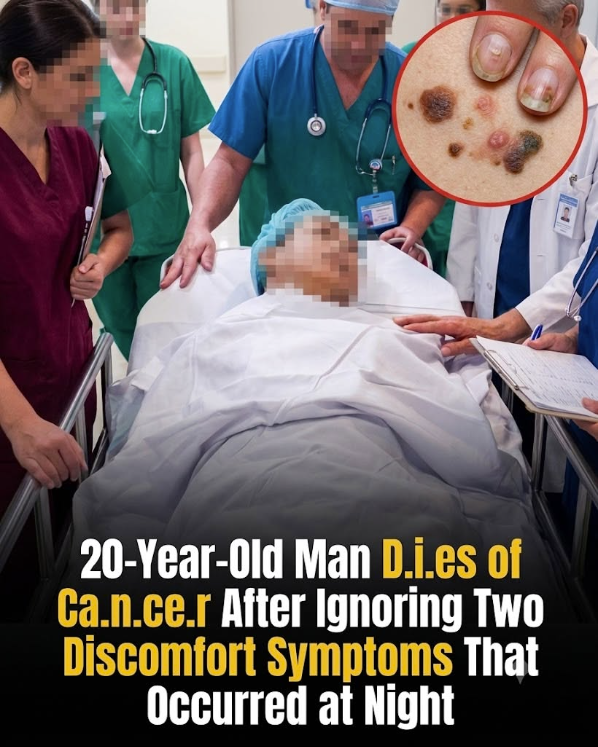
Young Man in His 20s D.i.es of C.anc.er After Ignoring Two Nighttime Symptoms