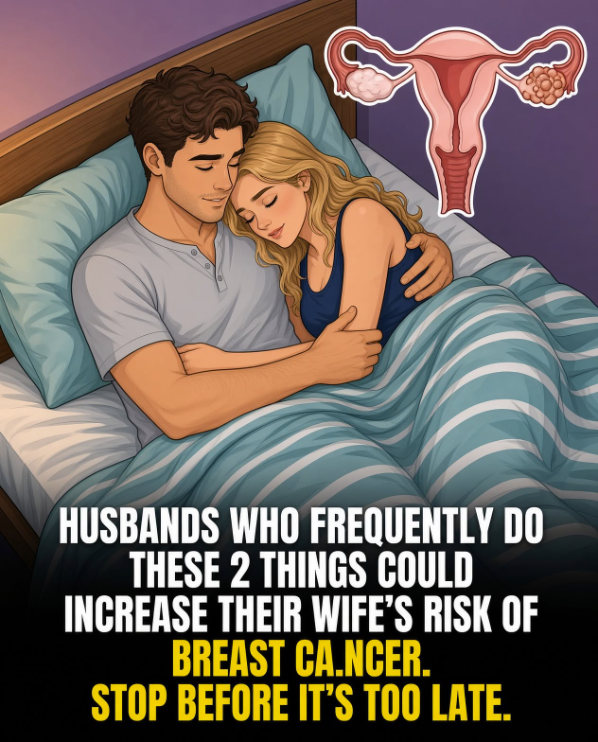
Breast cancer is one of the most common cancers affecting women worldwide. While age, genetics, hormones, and lifestyle are well-known risk factors, some everyday habits within a household may also influence overall health.
Contrary to many viral social media posts, a husband cannot directly “cause” his wife to develop breast cancer. However, certain unhealthy behaviors may indirectly increase her long-term health risks.
Here are two habits experts say couples should pay attention to.
Secondhand smoke contains thousands of chemicals, including dozens known to cause cancer.
When a woman is regularly exposed to cigarette smoke at home, she inhales many of the same harmful substances as the smoker. Long-term exposure has been linked to an increased risk of several diseases, including lung cancer and heart disease. Some studies have also suggested a possible association with breast cancer, although the evidence is less definitive than for other cancers.
Creating a smoke-free home is one of the best ways to protect the entire family.
A partner’s habits often influence the other person’s daily routine.
Frequent consumption of alcohol, unhealthy diets high in processed foods, lack of exercise, poor sleep, and obesity are all factors associated with a higher risk of breast cancer after menopause, as well as many other chronic diseases.
Couples who support each other in maintaining healthy habits—such as eating balanced meals, exercising regularly, limiting alcohol, and maintaining a healthy weight—can improve their long-term health together.
According to medical experts, the major risk factors include:
No single habit guarantees that someone will or will not develop breast cancer. However, small daily choices can make a meaningful difference over time.
Couples can reduce their overall health risks by:
A husband’s everyday habits don’t directly cause breast cancer, but they can influence the environment and lifestyle shared with his partner.
Supporting each other in making healthier choices is one of the most effective ways to protect the health of the whole family.


0 comments:
Post a Comment