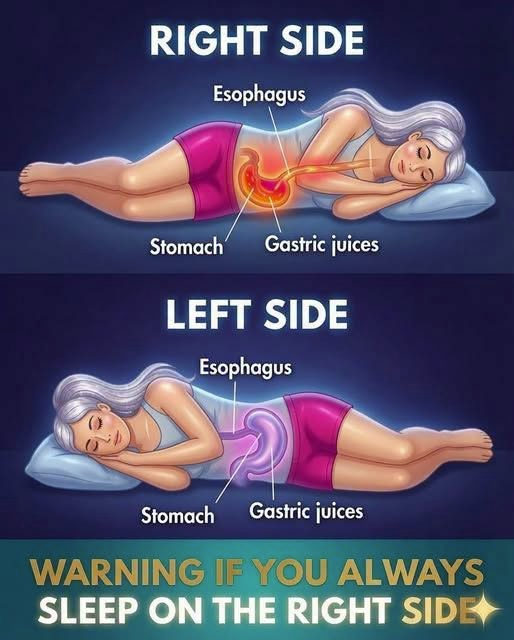
Sleep serves as one of the most fundamental pillars of human health, recovery, and daily performance. While extensive research and popular discussions frequently focus on sleep duration, bedtime rituals, and bedroom environments, the physical orientation of the body during rest plays an equally pivotal role in determining overall physical well-being. The way your body lies against the mattress for seven to eight hours every night influences mechanical pressure on internal organs, blood flow dynamics, spinal alignment, and the movement of fluids throughout the body.
Among the various sleeping postures that individuals adopt—including lying flat on the back, lying prone on the stomach, or curling into a lateral side position—side sleeping is by far the most prevalent posture chosen by adults worldwide. However, many people are unaware that there is a significant anatomical difference between resting on the left side versus the right side. Subtle differences in body asymmetry mean that choosing one side over the other can either support smooth physiological processes or contribute to chronic nighttime discomforts such as heartburn, sluggish digestion, and compromised circulation.
This comprehensive guide delves into the detailed anatomy and mechanics of human sleeping postures. It explains why resting on your left side offers distinct, science-supported advantages for digestive health, cardiovascular efficiency, and lymphatic drainage, while offering practical, actionable strategies to optimize your sleep environment for deep, restorative rest every single night.
To fully comprehend why sleeping position matters so significantly to daily comfort and energy levels, it is helpful to examine the internal structural layout of the human torso. The internal organs are not arranged symmetrically down the midline of the body; rather, key organs occupy specific spatial locations that dictate how gravity interacts with them when you lie horizontally.
The stomach is a curved, bag-like organ situated primarily on the upper left side of the abdominal cavity. Food travels down from the mouth through the esophagus, entering the stomach at a specialized muscular ring called the lower esophageal sphincter.
Under normal vertical conditions (standing or sitting), gravity naturally assists in keeping digestive juices and stomach contents within the stomach cavity, well below the esophagus. However, when you transition to a horizontal posture during sleep, the physical relationship between the stomach and the lower esophageal sphincter changes dramatically depending on which side of your body rests on the mattress.
When you lie on your left side, the stomach sits in its natural position below the level of the esophageal sphincter. The larger curvature of the stomach forms a natural reservoir that rests smoothly against the lower left side of the abdomen. Gastric fluids, acid mixtures, and active digestive enzymes collect at the bottom of this stomach cavity. Because the entrance to the esophagus remains elevated above the liquid line, gravity acts as a constant physical barrier, preventing stomach acid from migrating upward into the esophageal tube.
Conversely, when you rotate onto your right side, the stomach is elevated above the junction where it connects to the esophagus. In this position, the gastric contents are tilted directly against the lower esophageal sphincter valve. If this muscular ring relaxes even slightly during deep sleep cycles, stomach acid can easily flow backward into the lower esophagus, triggering irritation, burning sensations, and frequent micro-arousals that disturb sleep continuity.
While side sleeping in general is widely regarded as a healthy sleep style compared to stomach sleeping, maintaining a right-side sleeping posture over long periods can produce several subtle yet recurring physiological challenges.
One of the most immediate consequences of right-side sleeping is a heightened susceptibility to stomach acid migration. Unlike the left side, where gravity holds digestive fluids in place, the right-side position places the stomach fluid level directly adjacent to the esophageal opening.
Over time, repeated exposure to acidic fluids can inflame the delicate lining of the esophagus. This often manifests as:
Waking up with a sour or bitter taste in the mouth.
Morning throat tightness or unexplained coughing upon rising.
Disrupted, shallow sleep caused by unconscious body shifts to relieve discomfort.
Extended recovery periods needed for digestive tissues to settle after late meals.
The process of digestion relies on systemic peristalsis—wavelike muscular contractions that move partially digested food through the digestive tract. The exit route from the stomach into the small intestine (the duodenum) curves from the left side toward the right side of the lower abdomen.
When you lie on your right side, the angle of entry into the duodenum can cause stomach contents to clear unevenly, leading to feelings of heavy stomach pressure, bloating, or general abdominal fullness during the middle of the night.
The inferior vena cava is the largest vein in the human body, running along the right side of the spinal column. It carries deoxygenated blood from the lower limbs, pelvis, and abdomen back up to the right atrium of the heart.
When resting on your right side, the weight of heavy abdominal organs can press against this large blood vessel. This mechanical compression can slightly diminish the rate of blood returning to the heart, potentially forcing the cardiovascular system to work harder to maintain systemic circulation during rest.
Given the anatomical layout of the human body, adopting a left-side sleeping posture yields clear, structural advantages across multiple physiological systems.
By keeping the stomach positioned beneath the esophageal junction, left-side sleeping provides a simple, continuous physical defense against nighttime acid backflow. Individuals who make the switch often notice:
Fewer nighttime awakenings due to chest warmth or throat irritation.
A cleaner, fresher sensation in the mouth upon waking.
Reduced need for middle-of-the-night liquid consumption or position adjustments.
Enhanced restfulness following evening dinners or late-night snacks.
The lymphatic system plays an essential role in clearing cellular waste, managing fluid balance, and facilitating immune response throughout the body. Unlike the cardiovascular system, which relies on the heart as a central pump, the lymphatic system relies on skeletal muscle movement, arterial pulsation, and gravity to move lymph fluid through vessels.
A significant portion of the body’s lymphatic fluid drains into the thoracic duct, which empties into the left subclavian vein on the left side of the neck and chest. Sleeping on your left side allows gravity to assist the movement of waste-bearing lymph fluid toward this major drainage portal. This natural assistance facilitates smoother metabolic waste processing during the night, helping you wake up feeling clearer and less congested.
As mentioned previously, the inferior vena cava runs along the right side of the spine. When you sleep on your left side:
The heavy abdominal organs fall away from the right side of the spine.
The inferior vena cava remains entirely uncompressed and unobstructed.
Blood from the legs, feet, and pelvic area flows back toward the heart with minimal resistance.
Overall cardiac output is supported efficiently, allowing the heart to maintain optimal resting pulse rates throughout the night.
This circulatory benefit makes left-side sleeping particularly advantageous for individuals who experience mild lower-leg swelling, poor systemic circulation, or heightened physical fatigue.
Both the spleen and the pancreas are essential organs for digestion and immune defense, located primarily on the left side of the torso.
The Spleen: Responsible for filtering red blood cells and supporting immune defense, the spleen functions best when blood flow is completely unhindered. Left-side positioning encourages natural gravitational blood flow toward the organ.
The Pancreas: Positioned across the posterior abdominal cavity, the pancreas releases vital digestive enzymes that break down proteins, fats, and carbohydrates. Resting on the left side keeps the pancreas lying naturally over the stomach, allowing enzymes to flow smoothly into the intestinal tract without resistance.
To choose the best sleep orientation for your individual lifestyle, it is helpful to evaluate how side sleeping compares against back sleeping and stomach sleeping across multiple key health criteria.
Pros: Back sleeping allows the head, neck, and spine to rest in a completely neutral alignment, provided the pillow height is correctly selected. It eliminates friction against facial skin, which can help prevent sleep creases and facial skin compression.
Cons: Back sleeping allows gravity to pull the tongue and soft palate backward into the throat, increasing the likelihood of airway narrowing, heavy snoring, and sleep apnea. It also allows stomach acid to shift freely if the upper torso is not elevated.
Pros: Stomach sleeping can reduce snoring because the airway remains open.
Cons: Stomach sleeping forces the head to remain turned to one side for hours at a time, creating severe rotational strain on the cervical vertebrae and surrounding neck muscles. Furthermore, it flattens the natural curve of the lumbar spine, placing intense pressure on the lower back and compressing internal organs.
Transitioning from a deeply ingrained sleep posture to a new one requires gradual adjustments. The body develops strong subconscious muscle habits over years of rest, but several simple physical adjustments can help re-train your body naturally.
Positioning a firm, long body pillow firmly against your back makes it physically difficult to rotate onto your right side or back while sleeping.
Settle comfortably onto your left side.
Tuck a secondary pillow or rolled blanket behind your lower back and shoulder blades.
Place a medium-firm pillow between your knees and ankles.
When your body attempts to roll back during light sleep stages, the pillow barrier gently holds you in place.
When sleeping on your side, the top leg tends to slide forward and rest on the mattress. This forward rotation pulls the upper hip forward, twisting the lower spine and causing lumbar strain by morning.
By placing a dedicated contour pillow between your knees:
The upper leg remains parallel to the lower leg.
The hips and pelvis remain perfectly stacked and neutral.
Stress on the sacroiliac joints and lower back muscles is significantly reduced.
Human movement patterns are influenced by subtle environmental cues, including room lighting and bed position relative to walls.
Adjust Light Sources: If you have a soft nightlight or hallway illumination, place it on the right side of your bed. Naturally, the human eye tends to face away from light sources during sleep, encouraging you to face toward the left side of the room.
Reposition Nightstands: Place your essential evening items (water glass, book, alarm clock) on the left nightstand so that your final conscious movements of the night face left.
Adopting a left-side sleeping position yields maximum benefits when combined with an optimized evening environment and healthy bedtime habits.
The time gap between your last meal and your sleep time is critical for digestive comfort.
Aim to finish eating at least 3 hours before sleeping.
Avoid heavy, fatty, or highly spiced meals late in the evening, as these take longer to process and increase stomach acid production.
If you require a late snack, choose light, easily digestible options such as a small banana or a warm plain beverage.
Side sleeping requires proper head elevation to keep the cervical spine straight.
Choose a head pillow with a loft (thickness) of 4 to 6 inches, depending on your shoulder width.
The pillow should fill the entire space between your ear and the mattress surface without tilting your head upward or letting it sag downward.
Memory foam or adjustable latex pillows work exceptionally well for maintaining consistent height throughout the night.
Side sleepers require a mattress surface that provides both contouring comfort and structural support.
A medium-firm mattress (rated 5 to 7 out of 10 on the firmness scale) is usually ideal.
It offers enough cushion to allow the left shoulder and left hip to sink in slightly, preventing pressure points and numbness.
Simultaneously, it maintains firm support under the waist, keeping the spine level.
For the vast majority of healthy individuals, left-side sleeping is completely safe and highly beneficial. However, individuals with certain pre-existing cardiac conditions should consult their healthcare provider to determine their ideal sleeping posture.
Most people adapt to a new sleeping position within 1 to 3 weeks of consistent practice. Using structural aids like body pillows accelerates this adaptation period significantly.
It is completely normal to shift postures 15 to 30 times throughout the night during normal sleep cycles. If you wake up and notice you are on your back or right side, simply roll back onto your left side smoothly without stress. Over time, your body will naturally spend a higher percentage of the night in the left-side orientation.
Optimizing your sleeping posture is one of the most accessible, effective ways to support daily physical energy and body comfort.
Left-side sleeping works with human anatomy to keep stomach acid securely contained below the lower esophageal sphincter, preventing nighttime reflux and throat discomfort.
It facilitates natural fluid circulation, supporting efficient lymphatic waste drainage and smooth blood flow back to the heart via the vena cava.
Using proper pillow support between the knees and behind the back maintains neutral spinal alignment and prevents hip twisting throughout the night.
Combining left-side positioning with smart evening habits—such as allowing 3 hours between meals and sleep—ensures deeply restorative, uninterrupted rest every single night.



0 comments:
Post a Comment