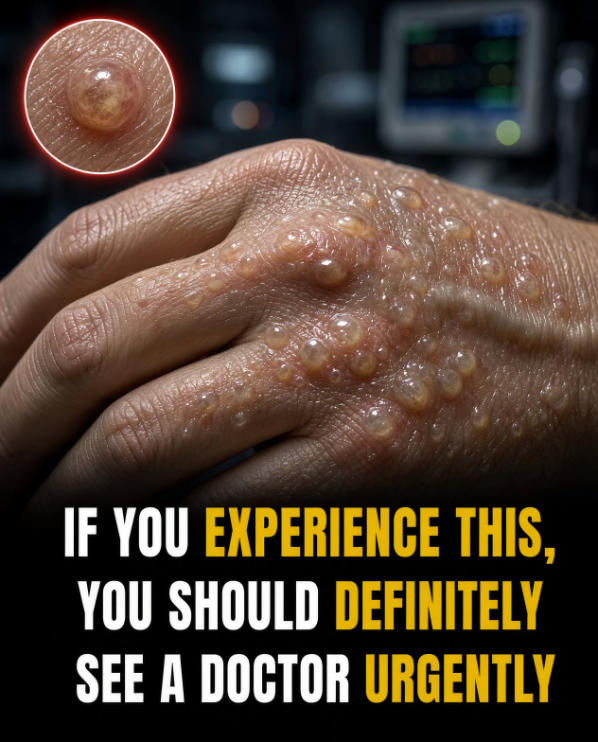
Small, fluid-filled blisters that suddenly appear on the fingers or hands can be surprising and sometimes alarming. While they are often caused by relatively common skin conditions, persistent or painful blisters should never be ignored. In many cases, these tiny bumps are not dangerous, but they may indicate eczema, an allergic reaction, an infection, or another medical condition that requires proper diagnosis. Understanding the possible causes can help you know when home care is appropriate and when it’s time to see a healthcare professional.
One of the most common causes of tiny blisters on the fingers is dyshidrotic eczema, also known as pompholyx. This condition typically produces clusters of very small, itchy, fluid-filled blisters along the sides of the fingers, palms, or soles of the feet. The itching may begin before the blisters appear, and once they heal, the skin often becomes dry, cracked, or flaky.
The exact cause of dyshidrotic eczema remains unclear, but several factors may trigger flare-ups. Stress, allergies, frequent exposure to water, excessive sweating, and contact with irritating chemicals such as detergents or cleaning products are commonly associated with the condition. Some people notice outbreaks during warm weather or after periods of emotional stress.
Another possible cause is contact dermatitis, which develops when the skin reacts to an irritating substance or an allergen. Soaps, cosmetics, metals such as nickel, rubber gloves, fragrances, and household cleaners can all trigger inflammation. Unlike eczema, contact dermatitis usually occurs after direct exposure to the offending substance and often improves once the trigger is avoided.
Viral infections may also produce blisters on the fingers. Herpetic whitlow, caused by the herpes simplex virus, usually presents with painful grouped blisters accompanied by redness and swelling. This condition requires medical evaluation because antiviral treatment may be recommended in some cases. Bacterial infections, fungal infections, and even insect bites may also produce blister-like lesions that resemble eczema.
Although many mild cases improve with home care, there are situations in which prompt medical attention is important. You should seek evaluation if the blisters are spreading rapidly, become extremely painful, contain pus, are accompanied by fever, or interfere with normal use of your hands. Medical assessment is also recommended if the condition repeatedly returns, lasts longer than two to three weeks, or does not respond to basic skin care measures.
Treatment depends on the underlying cause. For dyshidrotic eczema, doctors may prescribe topical corticosteroid creams to reduce inflammation and itching. Moisturizers play an important role in restoring the skin barrier, particularly after handwashing. In more severe cases, stronger prescription medications, phototherapy, or other specialized treatments may be considered.
If contact dermatitis is responsible, identifying and avoiding the triggering substance is essential. Wearing protective gloves while cleaning, choosing fragrance-free skincare products, and using gentle soaps may help prevent future flare-ups. People who wash their hands frequently should apply moisturizing cream immediately afterward to reduce skin dryness.
Good skin care habits can significantly reduce irritation. Avoid scratching the blisters, as this increases the risk of infection. Keep the affected area clean and dry, and avoid popping the blisters unless instructed by a healthcare professional. Cool compresses may help relieve itching, while fragrance-free moisturizers can soothe dry, irritated skin during healing.
It is important to remember that not every blister on the fingers represents the same condition. While dyshidrotic eczema is common, other illnesses—including infections, autoimmune disorders, and allergic reactions—can produce similar symptoms. Because treatment differs depending on the cause, self-diagnosis based solely on online images may not be reliable.
If your symptoms are persistent, severe, or associated with significant pain, swelling, fever, or difficulty using your hand, a healthcare professional can determine the correct diagnosis and recommend the most appropriate treatment. Early evaluation not only relieves discomfort but also helps prevent complications such as skin infections and chronic inflammation.


0 comments:
Post a Comment