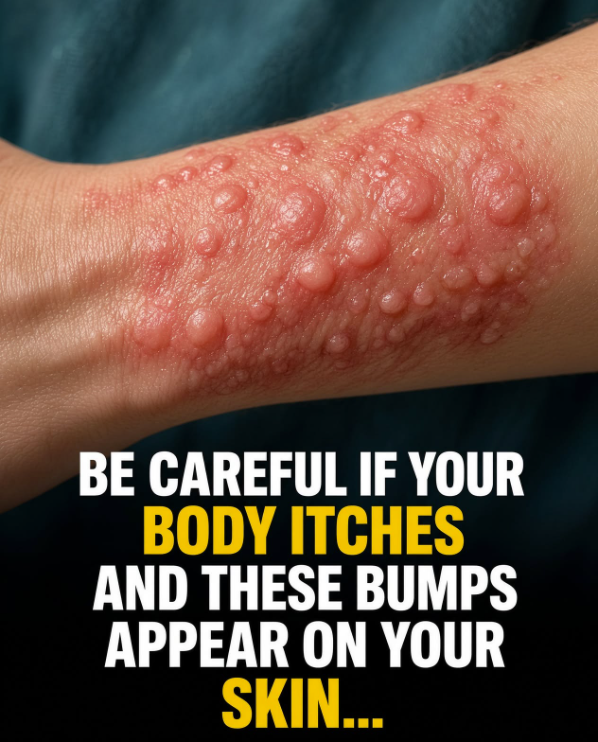
Skin changes are among the body’s most noticeable warning signs. While occasional itching or small bumps are often harmless and disappear within a few days, persistent itching accompanied by raised bumps, redness, or swelling should not be ignored. These symptoms can be linked to a wide variety of conditions, ranging from simple allergic reactions to chronic skin disorders or, in rare cases, signs of an underlying health problem. Understanding the possible causes can help you decide when home care is enough and when it is time to seek medical advice.
One of the most common causes of itchy bumps is an allergic reaction. Contact with certain soaps, detergents, cosmetics, plants, fabrics, or metals can trigger contact dermatitis, resulting in red, itchy patches and small raised bumps. Food allergies and medications may also cause hives—raised, itchy welts that can appear suddenly and move from one part of the body to another. In many cases, these reactions improve once the trigger is removed.
Another possibility is eczema (atopic dermatitis), a chronic condition that affects millions of people worldwide. Eczema often causes dry, itchy skin with small bumps that become irritated from scratching. Symptoms may worsen during cold weather, periods of stress, or after exposure to irritants. Although eczema cannot always be cured, regular moisturizing and appropriate treatment can help manage flare-ups effectively.
Insect bites are another frequent reason for itchy skin bumps. Mosquitoes, fleas, bed bugs, and other insects can leave clusters of itchy, raised spots that may remain irritated for several days. Avoiding excessive scratching is important because broken skin increases the risk of bacterial infection.
Certain infections can also produce itchy bumps. Fungal infections, viral illnesses, and bacterial skin infections may all affect the skin differently. Scabies, for example, is caused by tiny mites that burrow into the skin, producing intense itching that often becomes worse at night. Because treatment varies depending on the cause, obtaining an accurate diagnosis is essential.
Sometimes itchy skin occurs alongside conditions that are not primarily skin diseases. Liver disease, kidney disease, thyroid disorders, diabetes, and some blood disorders can occasionally lead to generalized itching. While these conditions do not always cause visible bumps, persistent itching without an obvious explanation should be discussed with a healthcare provider, particularly if accompanied by fatigue, weight loss, fever, or other concerning symptoms.
Fortunately, many mild cases improve with simple self-care. Keeping the skin moisturized, avoiding harsh soaps, wearing breathable clothing, and using fragrance-free skincare products may reduce irritation. Applying cool compresses can also soothe itching. However, it is important to avoid scratching excessively, as this can damage the skin and increase the likelihood of infection.
Medical evaluation is recommended if the rash spreads rapidly, becomes painful, develops blisters, produces pus, or is accompanied by difficulty breathing, swelling of the face or throat, or a high fever. Likewise, itching that persists for more than two weeks despite home care deserves professional assessment. A healthcare provider may recommend allergy testing, skin examination, blood tests, or other investigations to identify the underlying cause.
The key message is that itchy bumps on the skin are not a diagnosis by themselves. They may result from something as simple as dry skin or an insect bite, or they may indicate a condition that requires medical treatment. Paying attention to persistent or worsening symptoms and seeking timely medical advice can help prevent complications and provide relief sooner.
Healthy skin often reflects overall well-being. Maintaining good hygiene, protecting your skin from irritants, staying hydrated, and addressing unusual skin changes promptly are practical steps that support long-term skin health.



0 comments:
Post a Comment